
The forests managed by TSE Group in Asiki, South Papua, are home to an extraordinary biodiversity. This is more than just a tropical rainforest, it is home to many endemic and protected species. In 2021, the TSE Group, in collaboration with the Tropical Forest Foundation, conducted a survey to assess High Conservation Value (HCV) areas within their concession. The results were quite surprising: 13 species of mammals, 61 species of birds, and 23 species of herpetofauna (amphibians and reptiles) were recorded as living there. These findings underscore the importance of this area as a natural habitat that supports the diversity of species unique to Papua.
Water Networks, the Heart of the Ecosystem
The TSE Group’s concession area in South Papua features a unique topography. The landscape stretches from north to south, with three major rivers flowing through nearly the entire region, plus a river in the northeast that empties into a natural lake. This network of waterways not only enhances the landscape but also serves as a lifeline that maintains a stable water supply throughout the year. The abundant water allows the forest vegetation in this area to thrive, creating a lush, green environment rich in food sources. The combination of the landscape’s topography, water availability, and dense forest cover makes this area an ideal habitat for a wide variety of wildlife.
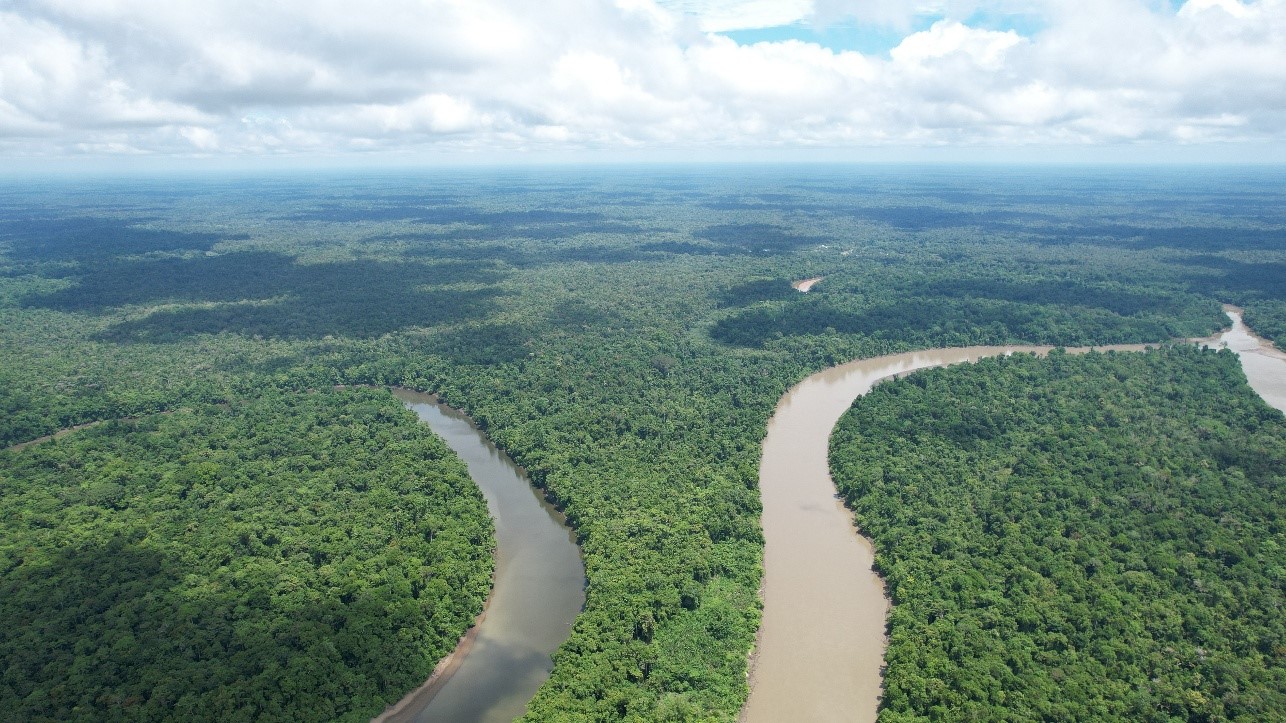
The forests within the TSE Group’s management area are part of a large ecosystem that stretches from the Uwim Merah River and the Muyu River to the Fly River. Administratively, this area is located in Boven Digoel Regency, South Papua. The forest type is classified as lowland tropical rainforest growing on dry land. Within these forests stand a diverse array of tree species with a rich and complex vegetation structure, creating a lush green landscape that serves as a habitat for many species of wildlife.
A Real Commitment to Protecting the Birds of Paradise
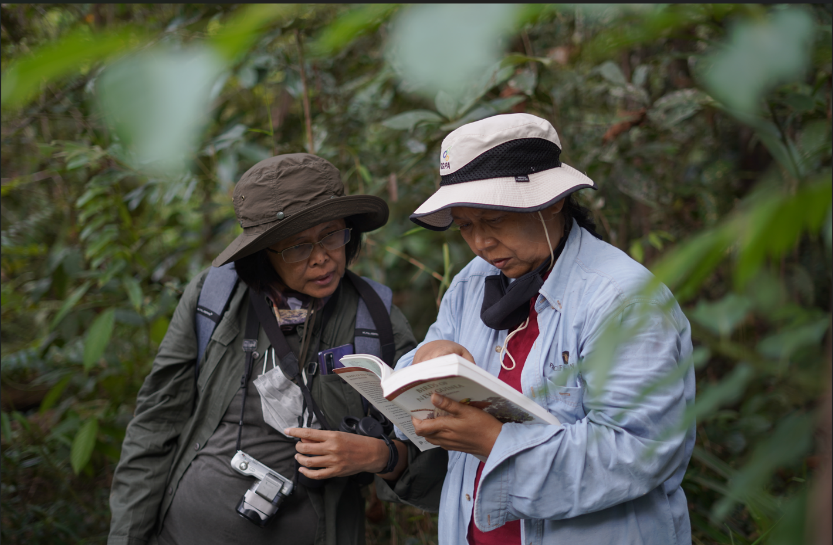
TSE Group believes that business and conservation can go hand in hand. The company actively integrates sustainability principles into its forest management practices, including the protection of key species such as the Great Yellow Bird of Paradise (Paradisaea apoda). By working with research institutions and local communities, the company aims to protect the forest while supporting sustainable production. This helps maintain a healthy ecosystem for the future.
As a first step in supporting conservation, the Papua Conservation Team conducted research to gain a deeper understanding of the Great Yellow Bird of Paradise’s presence within the company’s operational area. The team successfully mapped the habitat, estimated the population size, and documented the tree species and forest conditions preferred by this “bird of paradise.” Most notably, the team paid special attention to the “lek trees”—the stage where male birds perform their courtship dances and which play a crucial role in their life cycle. These findings will serve as a vital foundation for ensuring that the forest is managed sustainably while providing a safe haven for this extraordinary endemic species of Papua.
Observation Tower: From Research to Education
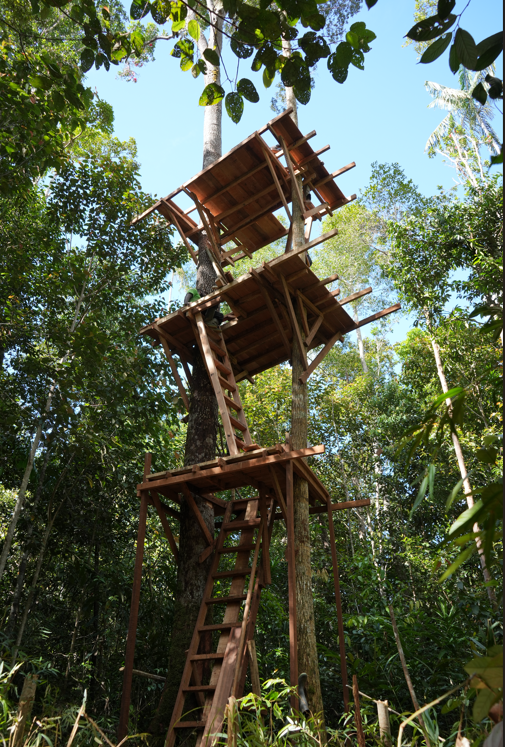 As part of concrete conservation efforts, in November 2022 the company built a 20 meter tall (four floor) observation tower in the forest area. The tower is located right next to a tree known as a “lek”—the dancing ground where male Great Yellow Birds of Paradise perform to attract mates. From this tower, researchers can observe the birds without disturbing their natural behavior. In addition to serving as a research center, the tower also opens up new opportunities for environmental education and even conservation-based ecotourism in the future.
