The Use of the Pig-Nosed Turtle: From Tradition to Trade

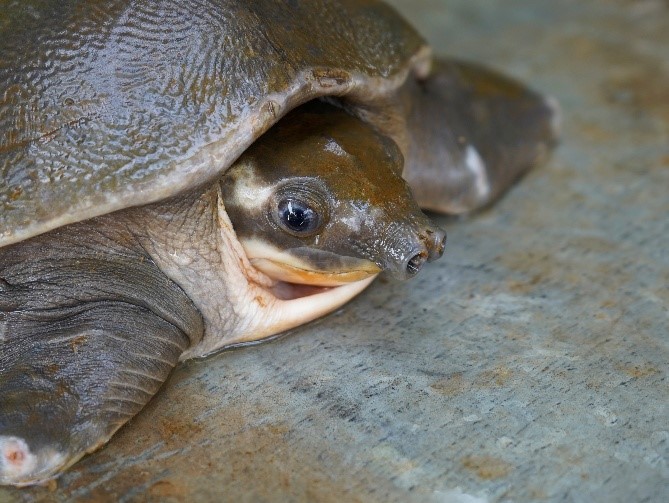
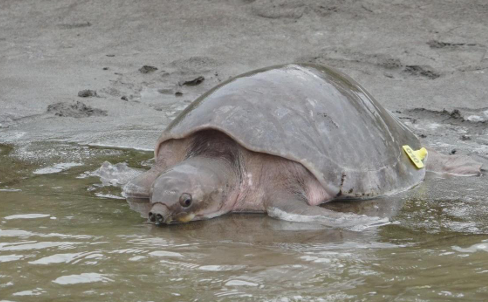
Among freshwater turtle species, the pig-nosed turtle (Carettochelys insculpta) is particularly unique, found only in Papua and parts of northern Australia. Its pig-like snout and flipper-like limbs set it apart from other turtles. However, these distinctive features have attracted not only researchers but also people who utilize it as pets, food, and trade commodities. The high level of exploitation has become one of the main factors threatening the survival of this rare species.

A Long History in Tradition

For the indigenous communities in southern Papua, the pig-nosed turtle is far from an ordinary animal. For a long time, it has been an integral part of daily life. Its meat and eggs are serve as important sources of protein, while in customary practices, it has even been used as a part of dowry in the Vriendschap River region. Traditional use is typically subsistence-based, meaning that only what is needed for household consumption is taken. As a result, its impact on wild populations has historically been relatively small.

When Market Demand Emerges

However, this situation began to change as market demand increased. Eggs and hatchlings were no longer viewed solely as food, but as valueable commodities. One story still remembered by the communities of Kao River dates back to 1997, when a foreign buyer reportedly arrived by helicopter to purchase large quantities of eggs. Since then, pig-nosed turtle eggs have come to be seen as “walking money,” symbolizing a shift from subsistence use to economic opportunity.

From Consumption to Commodity

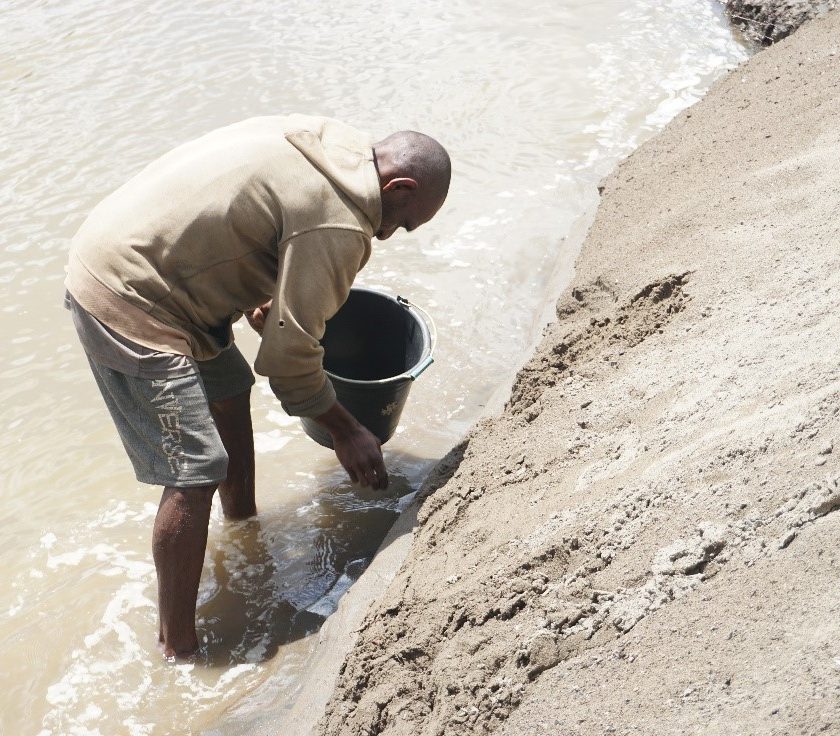
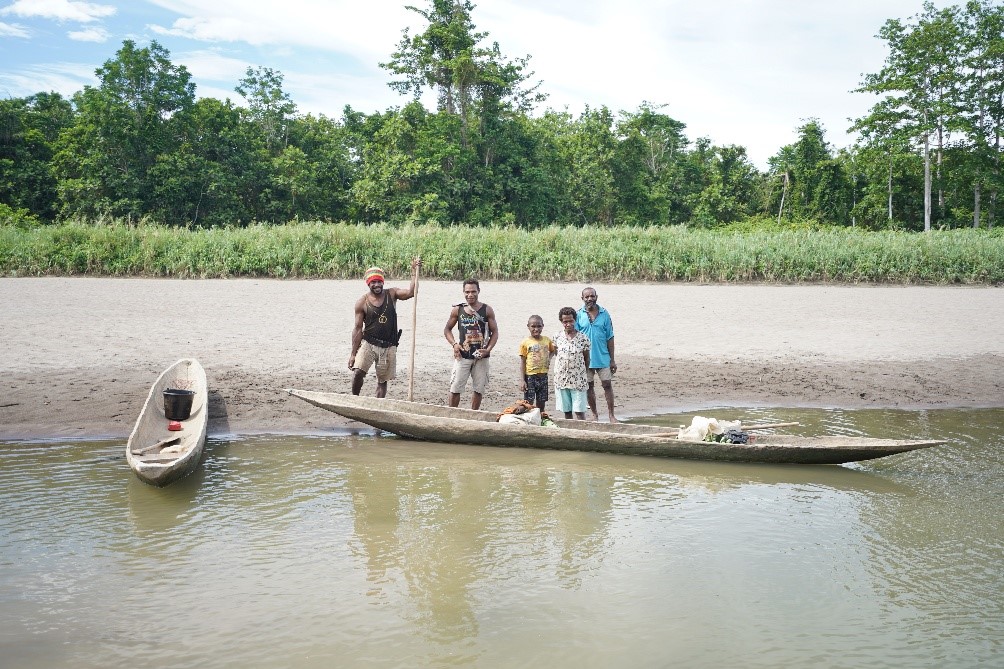
Gradually, the role of these turtles has shifted. For many community members, eggs now hold greater economic value than as a food source. Hunters prefer to sell the eggs, while the meat of adult turtles is typically consumed locally. Searching for nests and harvesting eggs has since become the primary livelihood. By setting out early in the morning by boat, hunters can return home with a harvest of considerable value—often seen as more reliable than other occupations such as farming or fishing.
.

.

Hatchlings (Tukik) as a Key Commodity

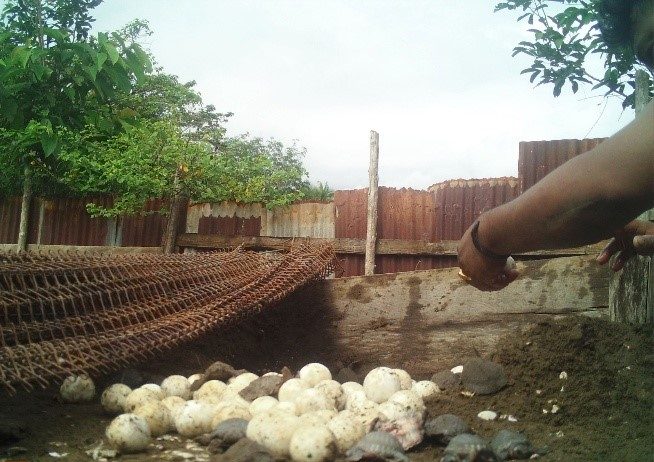
Over time, the market began to prefer hatchlings over eggs. Hatchlings are more resilient during long-distance transport, whereas eggs are easily damaged. As a result, people began incubating eggs before sale, since hatchlings could be sold at a higher price. This practice grew in popularity, further accelerating the intensive farming of pig-nosed turtles.
The Threat Behind the Benefits

For local communities, the pig-nosed turtle clearly provides economic benefits. However, excessive and continuous exploitation, combined with high dependence on natural resources and limited alternative livelihoods, is putting increasing pressure on its population. Without appropriate action, this species risks existing only in stories and memory.

The Path Toward Conservation

Pig-nosed turtles are more than just rare animals—they are the guardians of Papua’s river ecosystems. With their limited range and protected status, conservation efforts are crucial. Protecting them requires a combination of actions: safeguarding habitats from degradation, regulating use to prevent overexploitation, providing alternative sources of income for local communities, and raising awareness about the importance of this species. Without concrete actions, this unique turtles could disappear from the wild. Saving them is not just about protecting a single species, but also about maintaining the balance of the river and the life that depends on it.

When Turtles Become a Livelihood: A Portrait of Hunters in Papua

The hunting of pig-nosed turtles in Papua is not merely about endangered wildlife, but also a reflection of the socio-economic realities faced by local communities. For some hunters, hunting pig-nosed turtles has become a primary livelihood, supporting their families. When they are not hunting, they often work as fishermen, or seek other sources of income such as catching Irian turtles and arowana fish, or hunting wild boars, deer, and birds. These activities demonstrate that hunting is not simply a choice, but rather a means of survival in the face of limited economic opportunities.

Local Hunters, Outsider Middlemen

The hunting of pig-nosed turtles in Papua involves two key figures: local hunters and middlemen. For hunters, this activity is not a hobby, but a primary source of income—especially during the nesting season, which is their busiest time. Meanwhile, the middlemen typically have other main occupations, such as farming or trading, but get involved because of the significant economic opportunities in the trade of eggs and hatchlings.

Interestingly, many middlemen come from outside Papua. Some originate from Makassar, while others are of Javanese-Chinese descent who have long settled in Asiki. One hunter even shared that he learned egg incubation techniques from a “Javanese man” who was also known as a buyer during the period following the presence of foreign traders in the late 1990s. Through these middlemen, hatchlings are transported to Merauke, before being distributed to broader markets.

A Surprising Profile

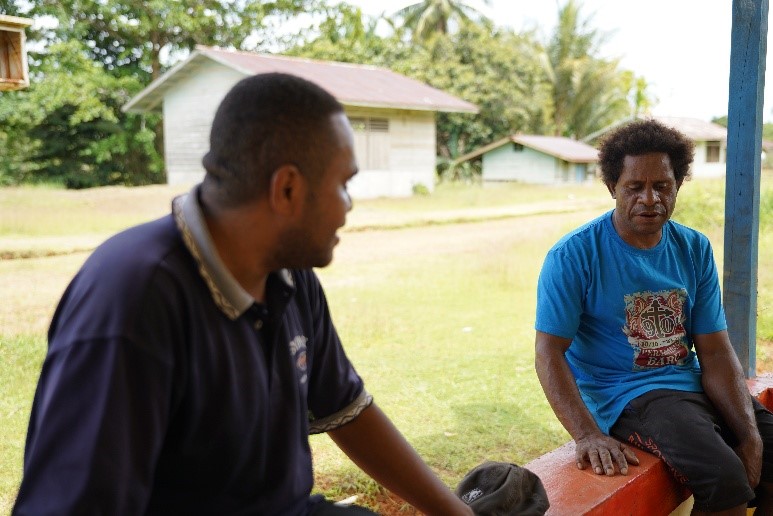
Interview findings challenge common assumptions about wildlife hunters. Most pig-nosed turtle hunters are between 34 and 55 years old and have relatively high levels of education. Many are high school graduates, and some have even served as village officials and hold bachelor’s degrees. This id notable, as hunting is often associated with low levels of education. In reality, these hunters are literate and communicate fluently in Indonesian—indicating that their choice to hunt is driven more by economic necessity than by a lack of knowledge.

Seasonal Hunting as a Livelihood

Many hunters previously pursued education outside their villages, particularly in Mindiptana District. However, the lack of job opportunities have led them to return home without a steady income. In this context, harvesting pig-nosed turtles becomes an attractive option, especially since harvesting rights are restricted to customary landowners. For these communities, the activity is not merely subsistence-based, but a fairly promising seasonal income opportunity.

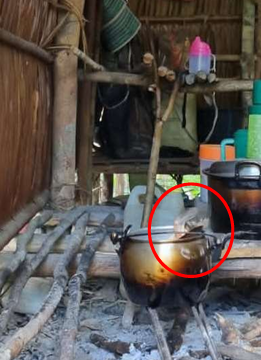
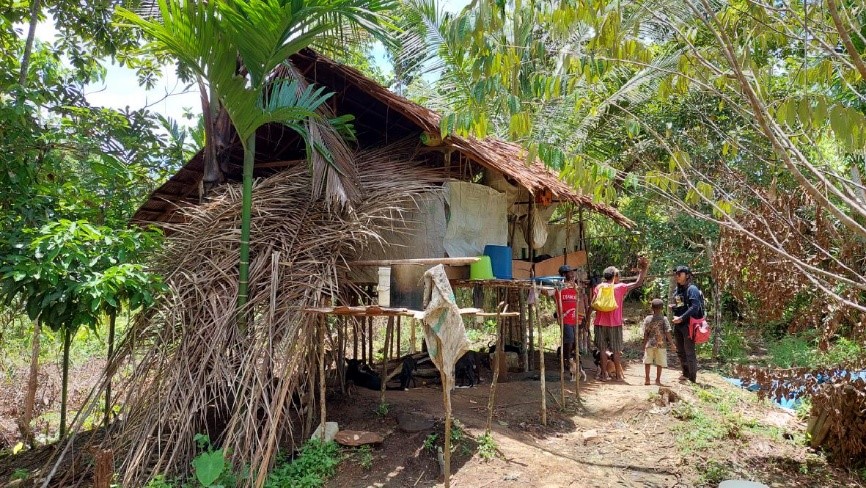
Hunting is usually carried out in groups of two to three people, led by a leader who is often more educated. They stay for months in simple huts near the hunting sites to reduce fuel costs. These wooden shelters, roofed with coconut leaves, serve as temporary bases and are equipped with egg incubation pit nearby. From there, eggs are hatched into hatchlings and then sold to middlemen demonstrating that this activity is managed in a structured and business-like manner.

A Persistant Dilemma

Interestingly, some hunters are aware that pig-nosed turtles are a protected species. As a result, they avoid transporting eggs or hatchlings out of Asiki to reduce the risk of legal consequences. There are also middlemen who hope to become licensed dealers under the supervision of the Natural Resources Conservation Agency (BKSDA), so that the trade can proceed more safely while maintaining stable prices.

The story of these hunters reflects a classic dilemma. On one hand, turtle eggs and hatchlings provide significant income for local communities. On the other hand, these practices threaten the survival of a species with a very limited distribution. However, if managed wisely, the hunters’ knowledge and skills could become valuable assets in supporting future conservation efforts.

Tracing Pig-Nosed Turtle Egg Harvesting Practices

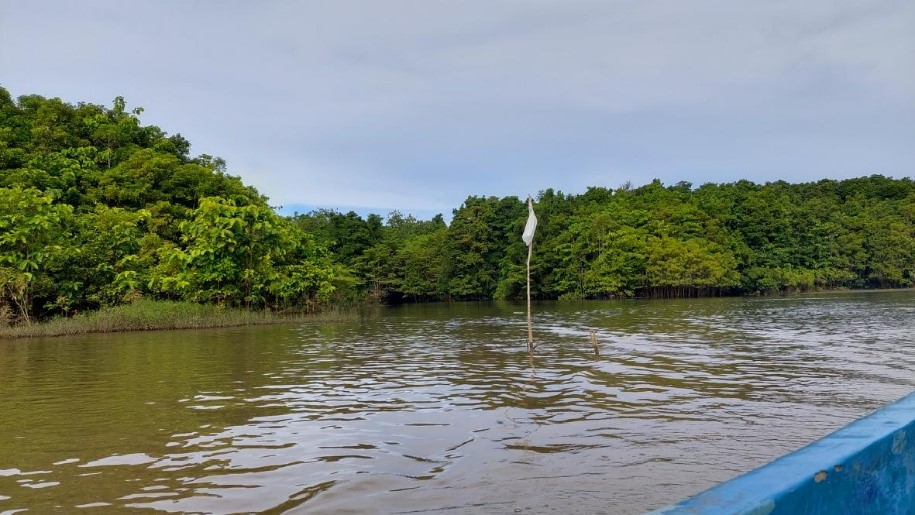
Every dry season, the Kao River offers a unique seasonal routine for local residents.  As the water recedes, sandbars emerge along the riverbanks, becoming a favorite nesting site for pig-nosed turtles (Carettochelys insculpta). This is what the community refers to as “harvest season.” For them, these nests in the sand are not merely part of the natural cycle, but an important source of income with high economic value.

Resources and Skills Behind Harvesting

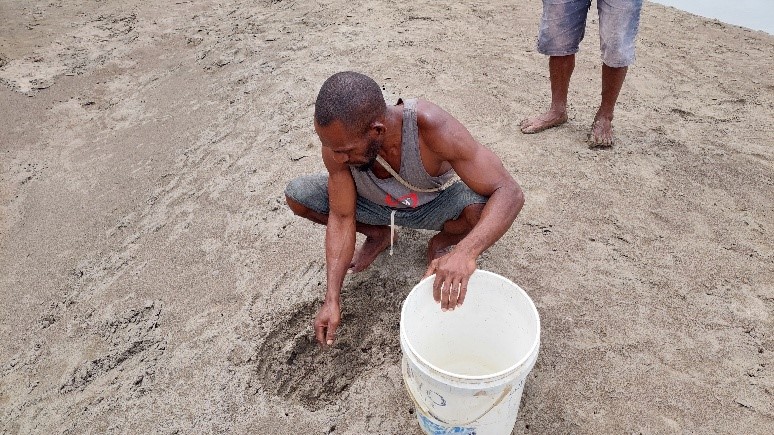
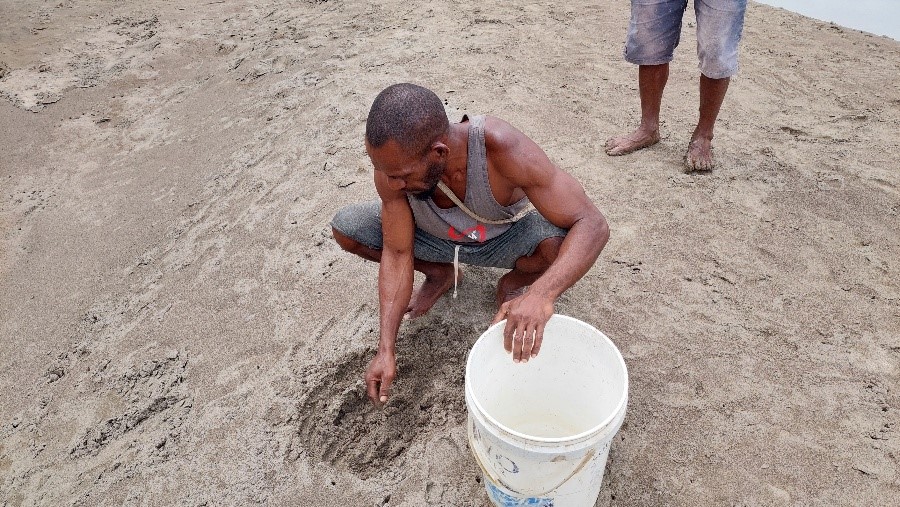
Harvesting pig-nosed turtle eggs turns out to be more than just digging in the sand. This activity requires a significant investment—especially for boat fuel—as well as skills passed down from generation to generation. Typically, the hunters set out early in the morning, walking along the riverbanks while carrying iron or wooden poles with specially shaped tips for probing the sand. With this simple tool, they can locate nests that are neatly hidden beneath the surface.

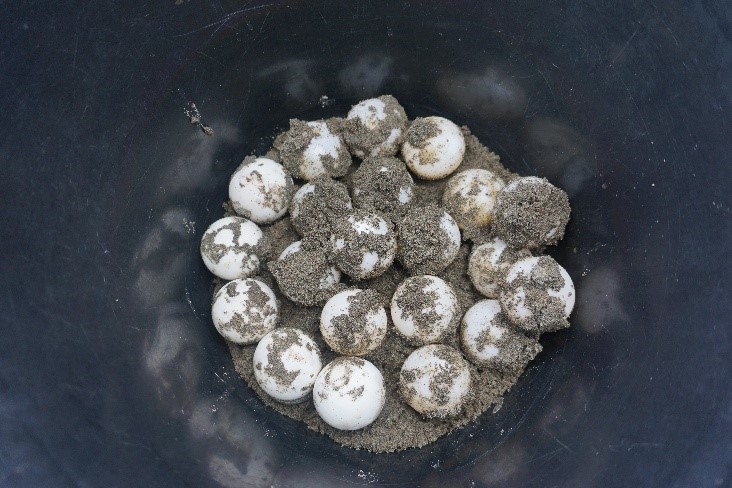
Nests that are found can be dug up immediately or marked with a small stick. If there are many nests, they are marked so they can be collected later. The collected eggs are usually placed in a bucket, with sand at the bottom and on top to protect them and keep them safe during transport. This technique is simple but effective in keeping the eggs intact until they reach the camp or the middlemen.

Harvest Season on the Sandbars

The pig-nosed turtle nesting season runs from August to December, peaking in September. During this period, hunters typically stay at the nesting sites for months at a time. They build simple huts out of wood and coconut leaves as temporary shelters, complete with hatching tanks that serve as temporary incubation areas for the eggs before they are sold.

Every morning, the sandbars are combed again in search of new nests. Unfortunately, harvesting is carried out indiscriminately. Eggs are taken from healthy nests, those flooded by the river, and even those already damaged by predators. As a result, almost no natural nests remain along the riverbank. The harvesting rate has reached 100 percent—a very high figure and certainly alarming for the conservation of this species.

Between Tradition and Threat

Behind the practice of egg harvesting, customary rules continue to play a vital role. People may only collect eggs within their traditional territory with explicit permission, and the harvest is distributed according to traditional customs. Violators—such as those who steal eggs outside the designated area—face customary penalties. This system serves as a means for the community to safeguard their rights to manage their natural resources.

Even so, the high intensity of harvesting still poses a dilemma. It’s not just the eggs that are taken home; occasionally, the female turtles are caught as well. This usually happens in the early morning, when the females are still exhausted after laying eggs, or in the afternoon when they emerge onto the sandy shore. The captured females are not sold, but rather cooked together at the camp to sustain the hunters who spend weeks away from home.

The Middle Ground: Economy and Conservation

If all the eggs were collected every season, almost no new generation of pig-nosed turtles would survive in the wild. Combined with the capture of female adults, the population is clearly at risk of a drastic decline. From an ecological perspective, this is a warning sign: without regeneration, this unique species could slowly disappear from its natural habitat.

This is a classic dilemma: the economic needs of the community clash directly with conservation challenges. For local residents, turtle eggs are an important source of income—and for some, even their primary livelihood. But on the other hand, overharvesting clearly threatens the species’ survival.

The solution isn’t simply to ban the practice, but to find a middle ground. Educating people about the importance of leaving some nests intact, stopping the capture of female turtles, and creating alternative sources of income could be key steps. If managed wisely, the knowledge and skills of hunters can actually become a major asset in supporting conservation. In this way, a balance between the community’s economy and environmental sustainability can be maintained.

Unique Behavior and Adaptive Strategies of the Pig-Nosed Turtle

The pig-nosed turtle (Carettochelys insculpta) is one of the most unique freshwater animals in the world. Found only in Papua (Indonesia), Papua New Guinea, and northern Australia, this reptile is the sole surviving member of the Carettochelyidae family, making it a “living fossil” that tells the story of evolution from millions of years ago. Beyond its distinctive physical appearance, the pig-nosed turtle exhibits a number of unique behaviors that set it apart from other freshwater turtles.

A True Amphibian with a Distinctive Life Cycle

A mother pig-nosed turtle coming ashore to lay eggs

Although classified as a freshwater turtle, the pig-nosed turtle almost never leave its natural habitats in rivers, lakes, or swamps. It is truly a fully aquatic species. The only time it comes ashore is when the female lays her eggs. During nesting season, the female digs a hole in sandy riverbanks then lays her eggs there before returning immediately to the water, leaving the nest unattended. Interestingly, this simple process has a significant impact on the ecosystem, as it indirectly helps transfer nutrients from the water to the land.

A Sea Turtle-Like Swimming Style

Unlike most freshwater turtles, which have only webbed feet, pig-nosed turtles actually have flipper-like limbs similar to those of sea turtles. This unique adaptation makes it extremely agile in the water. Using a movement often referred to as “underwater flight,” it propel itself by alternating or synchronizing it front flippers, while the hind flippers act as rudders. This body design makes it a formidable swimmer capable of navigating fast-moving river currents, while also giving them an advantage when hunting for food or evading predators.

The Ability to Stay Underwater for Hours

One of the pig-nosed turtle’s most remarkable adaptations is the way it breathes. In addition to using lungs like other reptiles, it can also absorb oxygen through its cloaca—an opening near the tail. Inside are specialized, highly vascularized sacs known as cloacal bursae, which enable oxygen directly from the water. Thanks to this trick, pig-nosed turtles can stay underwater for hours without surfacing frequently. This is particularly helpful in murky waters or when resting peacefully while remaining safe from predators.

 The Snout as a Sensory Tool

The pig-nosed turtle’s most iconic feature is its snout—long, flexible, and pig-like, with highly sensitive nostrils. This specialized structure functions almost like an underwater sensor, capable of detecting vibrations and scents even in murky rivers. With this ability, the turtle can sniff out prey such as small fish, mollusks, shrimp, or even fruit that has fallen from the forest into the water. Its flexible snout is also essential for squeezing into narrow gaps between rocks and roots, makes it an expert hunter in their habitat.

A Proof of Remarkable Adaptability

The unique behavior of the pig-nosed turtle not only reflects its remarkable adaptation to freshwater environments but also highlights its vulnerability. Habitat degradation, declining water quality, and illegal hunting pose increasing threats to its survival. Protecting the pig-nosed means more than conserving a single species, it also helps preserve the balance of the river ecosystem, which serves as a home for many other forms of life. This species is not only a rare endemic treasure of Papua but also a powerful reminder of the importance of conserving biodiversity for future generations.


Characteristics of the Pig-nosed Turtle Nest in the Kao River

One of the most important habitats for pig-nosed turtles in South Papua is the Kao River. This river has a unique characteristic: its width can change drastically depending on the season. These fluctuations create expanses of sand that serve as vital nesting sites for pig-nosed turtles. At a glance, it may look like an ordinary river, but behind the dynamics of its flow lies the story of a rare species struggling to survive across generation.

A Dynamic River and Sand Dunes

The Kao River is no ordinary waterway. It is highly dynamic in nature; during the rainy season, its width can expand to over 120 meters, but when the water recedes, it shrinks drastically to just 20–50 meters. These extreme creates a river landscape that is constantly changing, adorned with riparian vegetation such as elephant grass, forest sugarcane, and gempol along its banks.

From these water dynamics that sandbars emerge—mounds of sand that appear only during low tide. For pig-nosed turtles, these sandbars are not merely natural formations, but vital nesting grounds. At low tide, the sandy expanse opens up, providing a strategic location for them to nest. However, when floods come, these sandbars can vanish beneath the water, revealing just how vulnerable these turtles’ “nesting grounds” are to changes in river flow.

Limited Nesting Sites

A study of the Kao River identified 97 sandbanks with the potential to serve as nesting sites for pig-nosed turtles. In reality, however, only six of these locations were actually in use, with active nests. Five other locations contained only nesting traces, while the majority were empty; in fact, many had been submerged by flooding at the time of the observation.

These findings indicate that not all sandy areas are suitable for nesting. The nesting habitat of the pig-nosed turtle is highly dependent on river dynamics. Floods can wash away nests, predators reduce hatching rates, and human disturbance adds further threats. As a result, only a few locations are truly safe for the next generation of pig-nosed turtles to be born.

Strategic Nest Design

Pig-nosed turtle nests turn out to have a clever natural design. On average, the nest is about 15 cm in diameter and 18 cm in depth—enough to hold dozens of eggs while remaining hidden. Its location is also carefully chosen: typically at the top of a relatively high sand dune, nearly one meter above the river’s surface, and about 12 meters from the water’s edge. This positioning reduces the risk of flooding.

The sand composition reaching up to 80% also supports nesting, as it is both stable and easy to dig. Through this careful selection, the mother turtle seems to be “setting the stage” perfectly so that her eggs can survive until they hatch.

Ideal Temperature, Natural Incubator

Not only location that matters, but also temperature plays a crucial role. During the day, temperatures range from 29–32.7 °C—warm, yet optimal. This range provides ideal conditions for egg incubation: warm enough to help the embryos develop, yet the sand retains sufficient moisture to prevent the eggs from drying out or damaged. In many ways, this sand dune functions as natural incubators designed by nature itself.

New Hope on the Sandbanks

Based on observations, a total of 715 pig-nosed turtle eggs were found in various nests. The number per nest varied: some contained as many as 29 eggs, while others were empty or contained only a few, likely because they had been preyed upon by predators. On average, each egg measures about 4 cm in size and weighed 50 grams—quite large for a freshwater turtle. However, their large size actually makes them vulnerable to predators, both mammals and humans.

More Than Just a Nest

The story of pig-nosed turtle nests and eggs in the Kao River illustrates just how fragile their life cycle is. Out of nearly a hundred sandbanks, only a handful are actually used for nesting, and even those must still face threats from flooding, predators, and human activity. The hundreds of remaining eggs are a symbol of hope, but they also reflect just how slim their chances of survival are.

Protecting pig-nosed turtles and their nests means safeguarding the lifeblood of the river itself. A healthy river is not only a home for turtles, but also supports hundreds of other species that depend on the water, sand, and surrounding vegetation. Conserving pig-nosed turtles means caring for the river’s ecosystem—a precious legacy that will continue to flow for generations to come.


The Pig-Nosed Turtle: An Icon of River Conservation in Papua

In southern Papua, from Merauke to Kaimana, there is a truly unique river species: the pig-nosed turtle (Carettochelys insculpta). This species is not only rare but also the sole surviving member of the Carettochelyidae family. In many ways, it is a “living fossil” that carrying the story of evolution from millions of years ago.

Unfortunately, this uniqueness comes with serious threat. According to the IUCN Red List, the pig-nosed turtle is now classified as Endangered. It is also listed under Appendix II of CITES, which regulates its international trade. In Indonesia, protection for this species has been regulated for a long time, through the 1978 Minister of Agriculture Decree, Government Regulation No. 7 of 1999, and the 2018 Ministry of Environment and Forestry Regulation. All of these regulations serve as a stark warning for effective conservation efforts to ensure its survival.

River Ecosystem Guardians

The pig-nosed turtle is a semi-aquatic species, spending nearly its entire lives in the water. Only females come ashore during the nesting season. Uniquely, this life cycle is not only crucial for the species’ reproduction but also plays ecological role by distributing nutrients between land and water. Its presence also serves as an indicator of freshwater ecosystem health; if pig-nosed turtles are thriving, it means the river ecosystem remains in good condition.

 From Endangered Species to Flagship Species

In the world of conservation, the term flagship species refers to animals served as icons to raise public awareness. Typically, flagship species are charismatic, iconic animals capable of winning the sympathy of many people—such as tigers, elephants, or orangutans. However, this approach is rarely applied to freshwater animals.

This is where the pig-nosed turtle holds great potential. With its distinctive snout, unique behavior, and endangered status, it meets all the criteria to become an ambassador for the conservation of Papua’s freshwater ecosystems. Designating it as a flagship species offers two benefits at once:

  1. Raising public awareness. Its unique appearance makes it easy recognizable and relatable to the public.
  1. Protecting broader ecosystem. Preserving its habitat means safeguarding rivers, wetlands, and riparian forests—homes to hundreds of other species.

A Symbol of Conservation in Papua

Elevating the pig-nosed turtle as a flagship species is not just about protecting a single species, but rather a strategic approach to conserving entire freshwater ecosystems. When rivers remain healthy, they sustain not only turtles, but also fish, birds, and local communities that depend on them for their livelihoods.

The pig-nosed turtle is more than just a unique species from Papua. It is a symbol of the struggle to protect rivers, preserve forests, and maintain our natural heritage alive for future generations. By protecting it, we are truly protecting the future of Papua’s freshwater ecosystems.


Showcasing Kali Kao’s Biodiversity through a Documentary

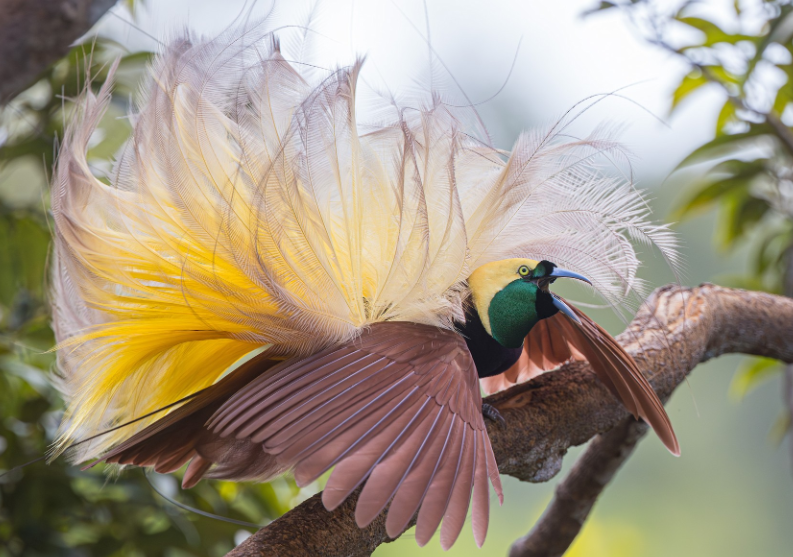
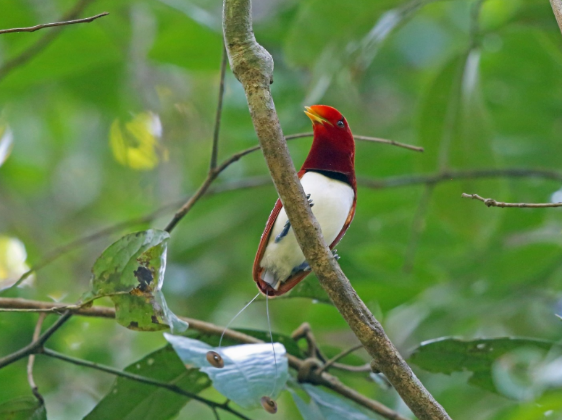
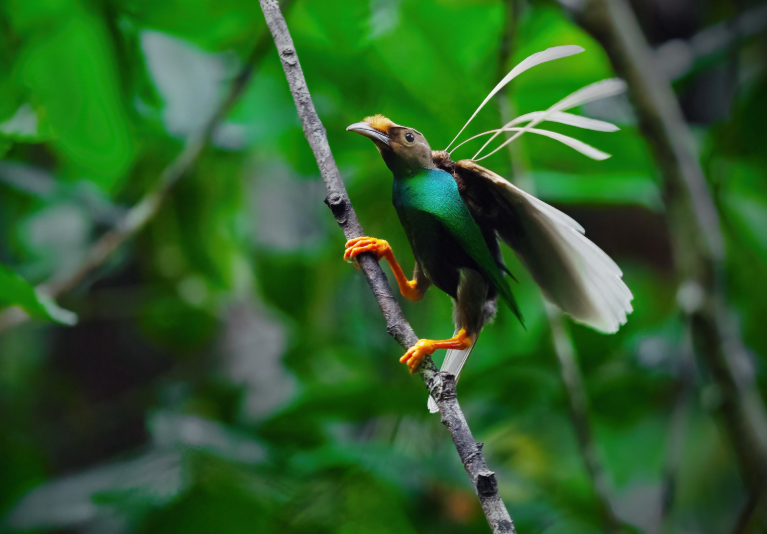
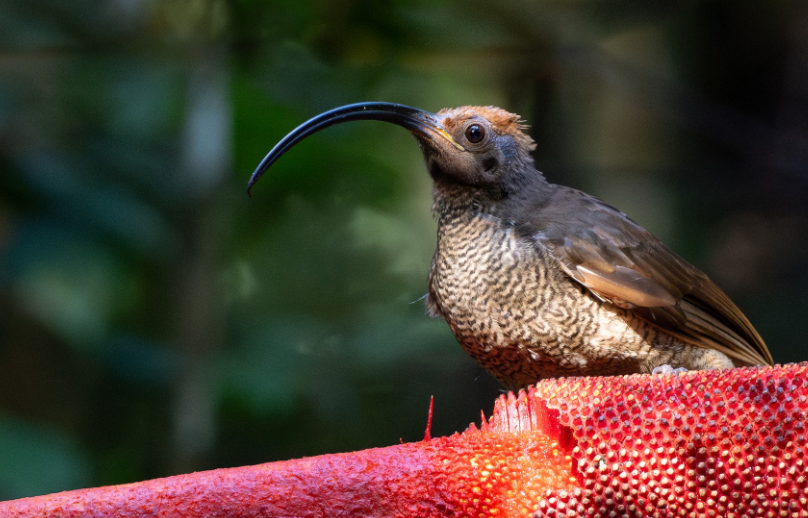
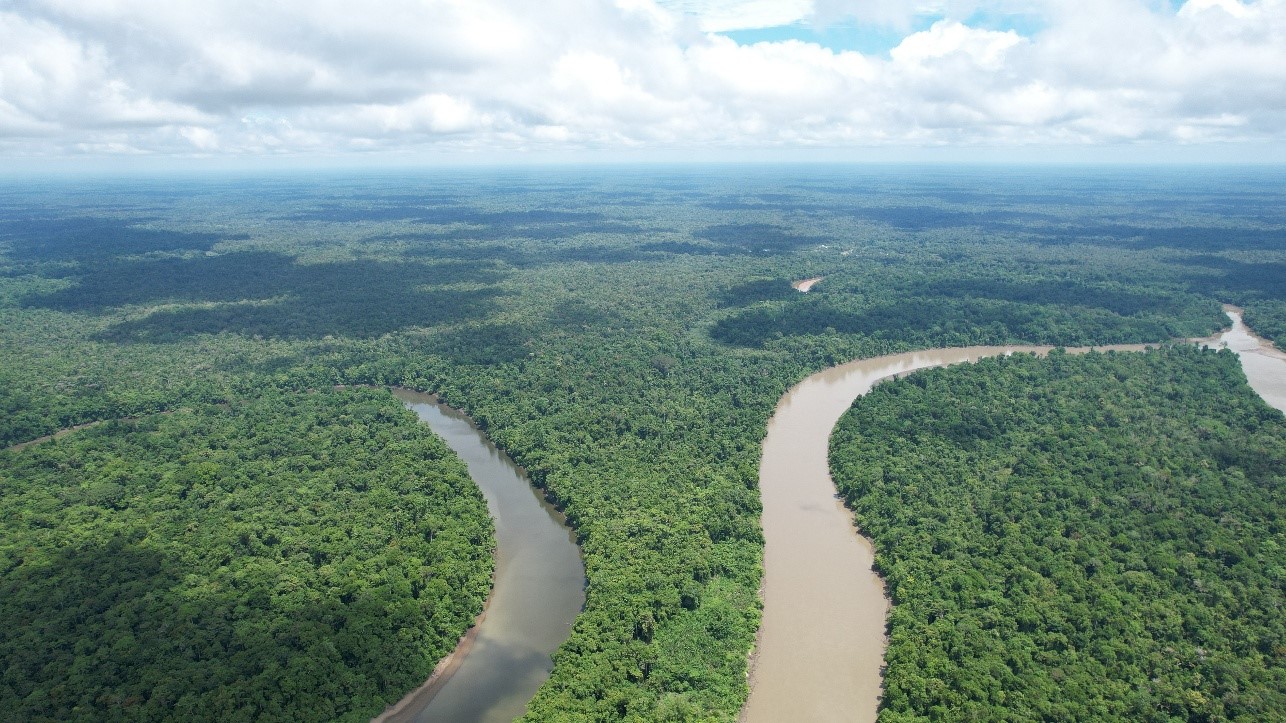
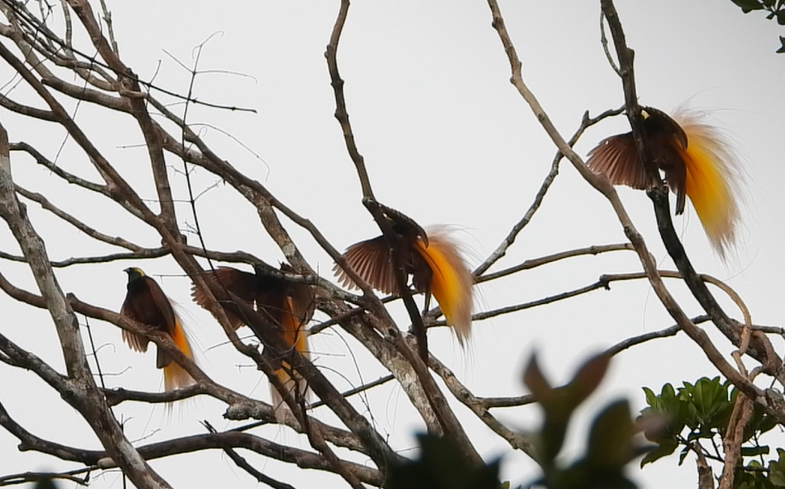
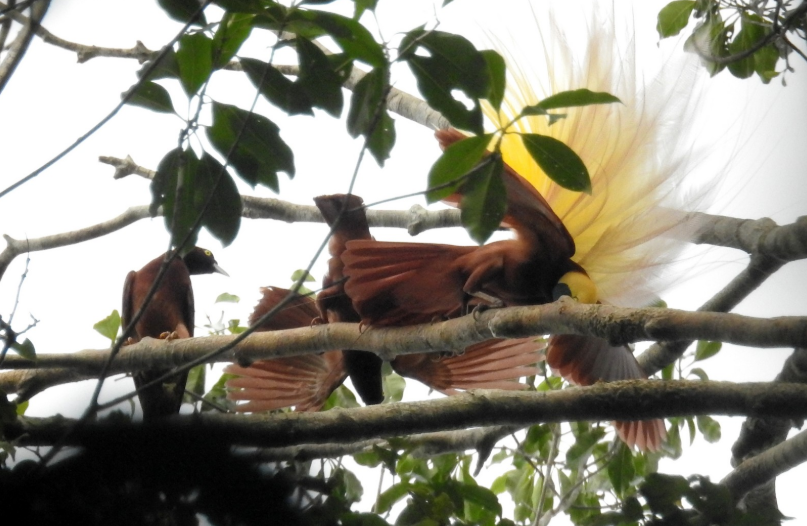
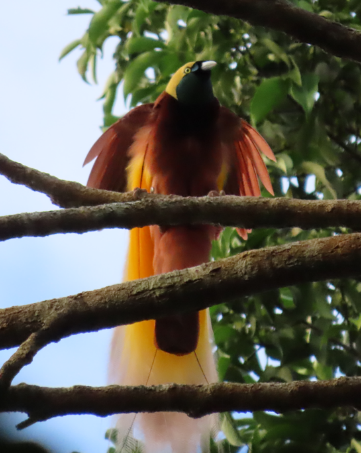
Photo: The pig-nosed turtle and bird-of-paradise are endemic to the Kali Kao region. TSE Group highlights the urgency of preserving their natural habitat through a video documentary.

BOVEN DIGOEL – Amidst Papua’s lush forests and pristine rivers, rare species coexist with nature. Some have yet to receive scientific names, waiting to be studied further by researchers.

In Papua’s waters, one notable species is the pig-nosed turtle (Carettochelys insculpta), a unique reptile believed to have survived for over 100 million years. Meanwhile, up in the tropical forest canopy, the greater bird-of-paradise (Paradisaea apoda) dances with its distinctive golden feathers, serving as a symbol of Papua’s natural beauty.

Both species inhabit the Kali Kao region, a river that is integral to the forest ecosystem and a life source for local communities. For many residents, Kali Kao is more than just a waterway; it is the lifeblood connecting humans, forests, and wildlife that have coexisted for generations.

Through a documentary video, Tunas Sawa Erma (TSE) Group highlights the importance of protecting the habitats of Papua’s endemic wildlife, given their high ecological value. The video portrays Kali Kao as a home to various species, including the river-dwelling pig-nosed turtles and the canopy-inhabiting greater birds-of-paradise.

This documentation also aims to raise public awareness regarding endemic wildlife conservation and the importance of maintaining ecosystem balance in Papua.

The video on Kali Kao is available in three languages to reach a wider audience:

Through this documentary, TSE Group hopes to encourage more people to recognize and care for Papua’s rich biodiversity and understand the importance of preserving natural habitats for future generations. (PR)

Greater Bird-of-Paradise: A Beautiful Dancer and Guardian of Papua’s Forest

Who would have thought that behind its shiny golden feathers and captivating lekking dance, the Greater Bird-of-Paradise (Paradisaea apoda) holds an important secret for the survival of tropical forests? Its ecological role is rarely recognized by many people, yet without this magnificent bird, forest regeneration could be significantly disrupted.

Frugivore: Guardian of Forest Regeneration

Two Greater Bird of Paradise individuals on a bintagur tree branch

The Greater Bird-of-Paradise is known as a frugivorous bird, which means that its main food source is fruit. In its daily life, this bird moves from one tree to another in search of ripe fruit. What may seem like a simple feeding habit plays a major role in the ecosystem. The birds do not only just eat fruit, but it also acts as natural seed dispersers.

Some seeds when bird feeds can fall to the ground, while other seeds that are swallowed will come out again with feces in places that are often far from the parent tree. In this way, Greater Bird-of-Paradise helps new plants grow in various locations, maintaining forest diversity and ensuring that natural regeneration continues.

A Natural Agent of Ecological Succession

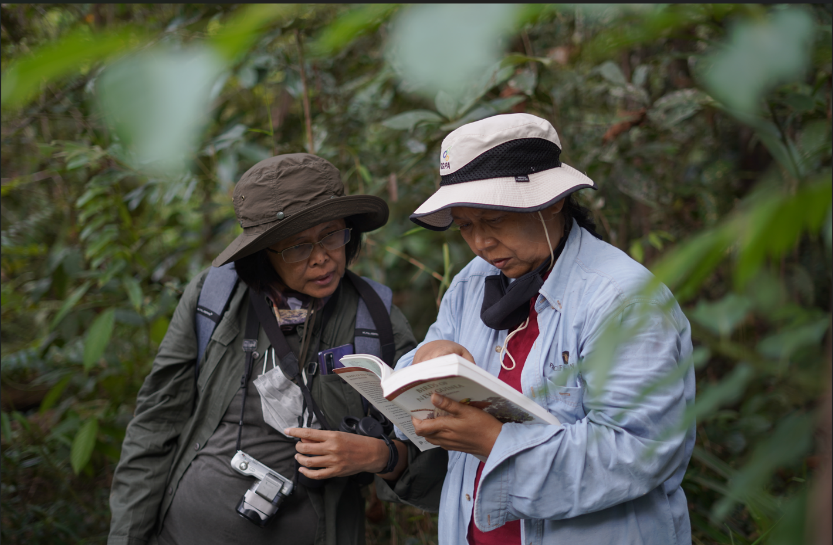
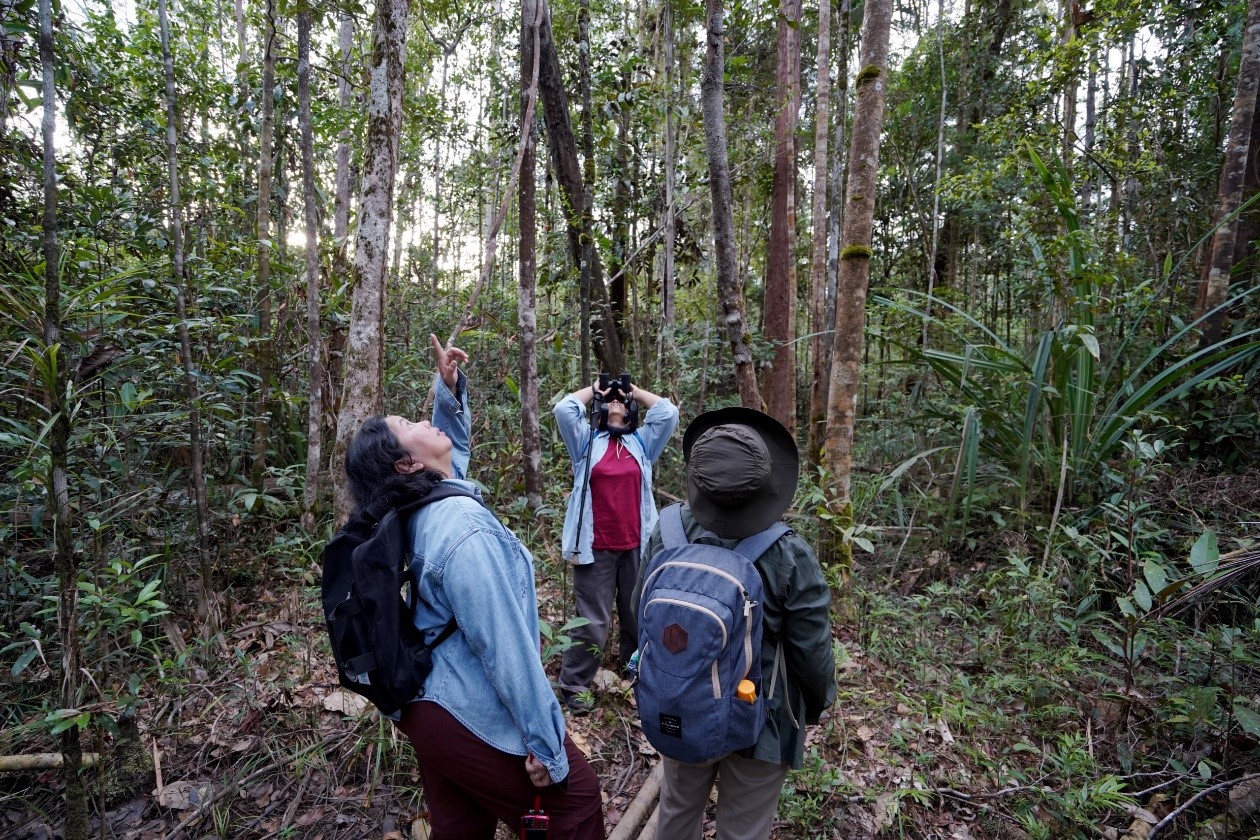
When the research team observed its behavior, it was clear that this bird of paradise loved to eat a variety of forest fruits—from nibung, mendarahan, pala (nutmeg), beringin rambat (climbing figs), to jambuan. Uniquely, the seeds from these fruits are not only eaten to fill their stomachs.

Seeds that come out of the bird’s digestive tract often fall far from the parent tree, providing opportunities for new seedlings to grow themselves elsewhere.

A Great Yellow Bird of Paradise eating nibung fruit

Seeds eaten by birds of paradise are often dispersed when these birds jump from one tree canopy to another. As a result, new plants can grow in empty spaces, open areas, or even forests that have been disturbed. Through this simple method, the Greater Bird-of-Paradise contributes to plant diversity and accelerates forest recovery. It is no wonder, it can be considered one of nature’s important agents in the process of ecological succession.

Birds-of-Paradise and Biodiversity

Natural regeneration in Asiki Forest, South Papua

With their ability to travel long distances and move between high forest canopies, the Greater Bird-of-Paradise play an important role in increasing forest biodiversity. Their extensive movements enable the dispersal of seeds from various plant species to different areas, including locations far from the parent trees. Each seed dispersed is like a small puzzle piece of forest life, ensuring a diverse, healthy, and thriving ecosystem.

The role of fruit-eating birds such as the Greater Bird-of-Paradise extends beyond just one or two types of trees. Many tropical forest

plants depend on animals for seed dispersal. Without them, plant diversity would decline, and the structure of the forest could become homogeneous or degraded.

More Than Just a Bird

Protecting Greater Bird-of-Paradise is not just about ensuring that this beautiful bird soaring freely, but also about safeguarding the forest continues to breathe. From the fruits it consumes to the seeds it disperses, the bird helps the forest regenerate and sustain the diversity of life within it. Every effort to conserve the Greater Bird-of-Paradise is, in essence, an effort to protect Papua’s tropical rainforests and all the creatures that depend on them.

Indigenous Communities and Sacred Forests in the Conservation of the Greater Bird-of-Paradise

The Greater Bird-of-Paradise is not only an icon of Papua’s natural beauty, but also an integral part of the cultural heritage of Indigenous Peoples. Behind efforts to conserve this endemic bird, indigenous communities play an irreplaceable role as forest guardians, habitat protectors, and custodians of ecological values passed down from through generations.

More Than Just a Bird: The Spiritual Meaning of the Bird-of-Paradise

Indigenous Papuan communities play an important role in preserving birds of paradise. With their knowledge inherited over generations, they know when the mating season takes place, which trees are used for lek, and recognize which food tree species must be preserved. Customary laws often prohibit the cutting of certain trees or the hunting of animals, including birds-of-paradise. For some communities, these birds of paradise are even considered sacred, spiritual symbols that must be respected.

For many indigenous Papuan communities, the Greater Yellow Bird-of-Paradise are not just beautiful birds, but also symbols of ancestral spirits. Its graceful movements atop tall trees are seen as a connection between the earth and the sky. Its presence in the forest signifies that humans are still living in harmony with nature and tradition. Conversely, the disappearance of birds-of-paradise from an area is often interpreted as a sign that this balance has been disturbed.

Sacred Forest: A Hidden Stronghold for the Bird-of-Paradise

In Papua, certain forests are not only rich in biodiversity but also hold deep spiritual significance for Indigenous communities. One such area is the High Conservation Value (HCV) forest managed by TSE Group, which known locally as a sacred forest. For indigenous communities, this forest is protected by strict customary rules—it must not be cut down cleared indiscriminately or damaged. Without much awareness, these rules have made the sacred forest a natural conservation stronghold.

Within these forests, the Greater Bird-of-Paradise and other iconic species can continue to live safely, perform their mating dancse, and reproduce in their natural habitat.

Because of their sacred status, indigenous communities usually strictly prohibit any form of activity in these sacred forests—from cutting down trees and hunting to entering without permission. These customary rules act as a natural shield, protecting both flora and fauna. In many ways, sacred forests function as informal conservation areas born out of local wisdom.

Interestingly, large trees used by male birds-of-paradise for lekking are frequently found in sacred forests that have remained untouched by human activity. It is therefore not surprising that some of the most active and stable lekking sites are found around these sacred forests.

Sacred Forest as Natural Conservation

Sacred forests demonstrate that conservation is not always about science or formal rules. In many cases, local culture and beliefs serve as the most effective “protectors of nature.” Protecting forests because they are considered sacred has proven to be highly effective in maintaining ecological functions naturally. Local cultural values and beliefs are often respected and upheld more consistently than national laws.

Installation of sacred forest signboards around the TSE Group’s HCV area

Papua’s sacred forests are not only a cultural legacy, but also part of a natural conservation system that has existed for centuries. Respecting, recognizing, and supporting the protection of sacred forests also strengthens the conservation of rare species such as the Greater Yellow Bird-of-Paradise and helps maintain the overall balance of Papua’s ecosystem.

Dancing in the Forest Canopy: Understanding Lekking Behavior

One of the most fascinating aspects about the Greater Bird of Paradise (Paradisaea apoda) is its unique mating ritual. Rather than simply singing or displaying their beautiful feathers, the males perform a “spectacle” known as lekking, a remarkable mating ritual that becomes a contest of charm deep within the Papuan forest.

Lekking is a unique mating strategy, in which males gather at a specific location called a lek site. There, they take turns dancing, fluttering their brightly yellow colored feathers, and making distinctive, repetitive sounds. All of these “performances” serve one simple goal: to attract females and get the chance to become their mate.

An Audition Stage in the Papuan Forest

For the Greater Bird-of-Paradise, lekking functions like an “audition stage” in the heart of the forest. The males compete intensely to dance, spread their golden feathers, and sing loudly to captivate the watching females. Only the most impressive ones will be chosen, while the others must try again the next day. After a brief mating, the female leaves to build her nest and raise her young alone. The male, meanwhile, returns to the lek tree, ready to repeat the performance, a natural cycle that shows how amazingly sexual selection works in the wild.

Performances in the Dry Season

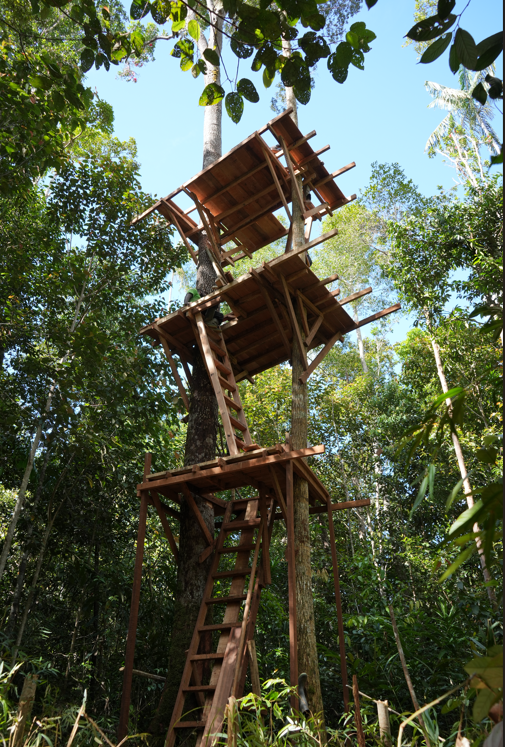
Every morning, before the sun climbs too high, male Greater Bird-of-Paradise will choose the tallest tree around the lek site as their “main stage.” From this elevated perch, the dance, the shimmering decorative feathers, and the distinctive call can be seen and heard more clearly, both by females and rival males. Interestingly, lekking ritual usually takes place during the dry season, between June and October. When the forest is drier and the air is clear, their voices can reach further, making this open-air show even more captivating.

Male Dominance at Peak Lekking Season

Field observations during the lekking season show that male birds are far more dominant. This is likely because observations were made during the peak breeding period, when males are most actively displaying themselves. In the lek trees, males continuously perform their signature dances, fluttering their yellow-colored decorative feathers, and singing loudly to attract the attention of females and ward off competitors. Occasionally, several females are seen coming to the lek site, observing carefully and assessing which males are the most suitable to choose.

The Ritual of Preparing the Lek Arena

During the lek season, research found eight lek trees actively used by Greater Bird-of-Paradise. Beneath these trees, many scattered branches and leaves were found. This is no coincidence, apparently, the male birds deliberately “tidy up” their stage by cleaning debris from the forest floor. This allows their decorative feathers to be clearly visible when they dance under the natural light of the forest. This finding is in line with research by Stein and Uy (2006), which states that lekking birds often maintain their performance arena in order to appear more attractive to females.

Lekking, Forests, and the Future of Birds-of-Paradise

The lekking behavior of the Greater Bird-of-Paradise demonstrates the close relationship between beauty, reproduction, and habitat conservation. This complex mating ritual can only take place in intact forests, with tall trees serving as their natural stage. Preserving the forests of Papua means protecting the birds’ habitat while ensuring that one of nature’s most spectacular shows continues for future generations.

Papua Conservation

Asiki, Jair,
Boven Digoel Regency,
Papua 99661


T: 021-396-7102
E: mail@papuaconservation.com