Meet the Great Yellow Bird of Paradise: How It Differs from Other Species

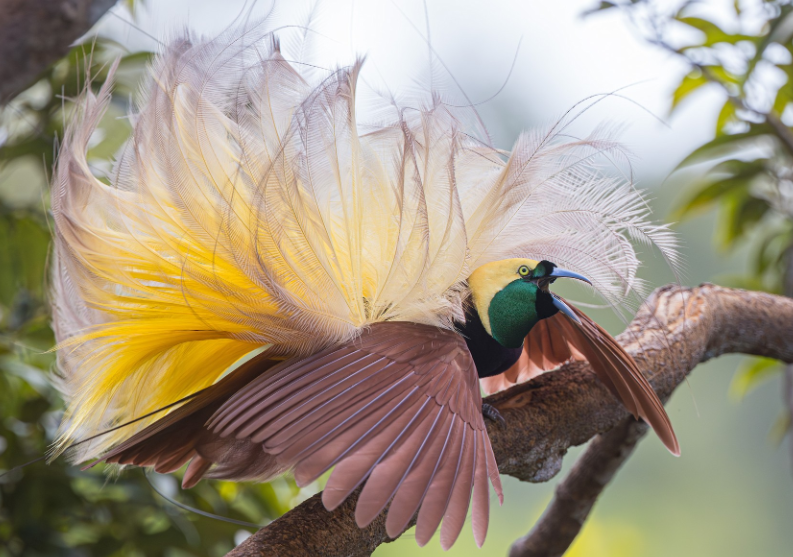
Papua is not only rich in forests and culture, but is also home to one of the world’s most iconic birds: the bird of paradise. Of the 43 species of birds of paradise, 38 can be found in eastern Indonesia. This bird is famous for its beautiful and striking plumage, so much so that it has been dubbed the “bird of paradise.” Among its many species, one stands out in particular, the Great Yellow Bird of Paradise (Paradisaea apoda).

Morphology: The Appearance That Makes It Iconic

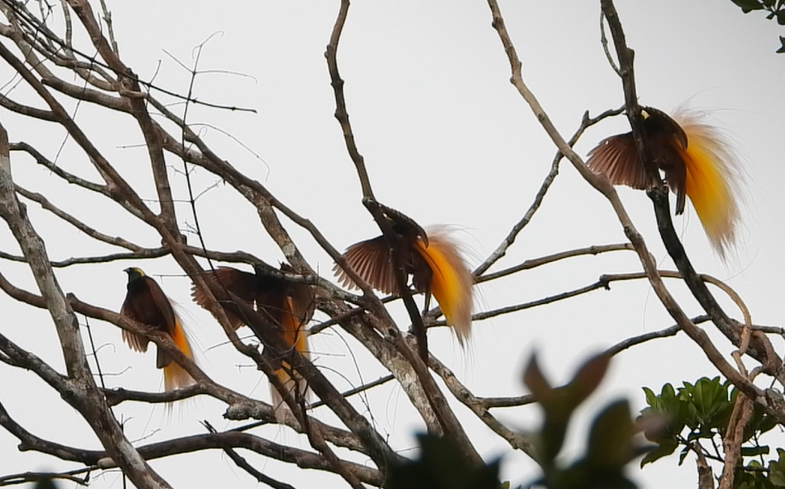
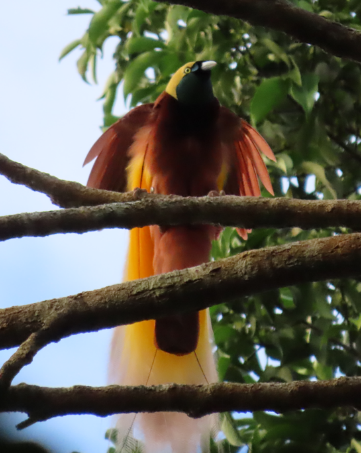
The Great Yellow Bird-of-Paradise has very striking characteristics, especially in the male. It can reach a length of 43 cm, not including a pair of long tail feathers that trail like golden ribbons through the air. Its head is adorned with a yellow crown, an emerald-green throat, a dark-brown chest, and golden-yellow decorative feathers. In contrast, the female has a much simpler appearance. Her body is smaller, about 35 cm, with plain maroon plumage and no striking adornments. Yet this simpler appearance makes the male’s colorful feathers stand out even more. The male’s extraordinary plumage serves as his primary tool for attracting the female’s attention.
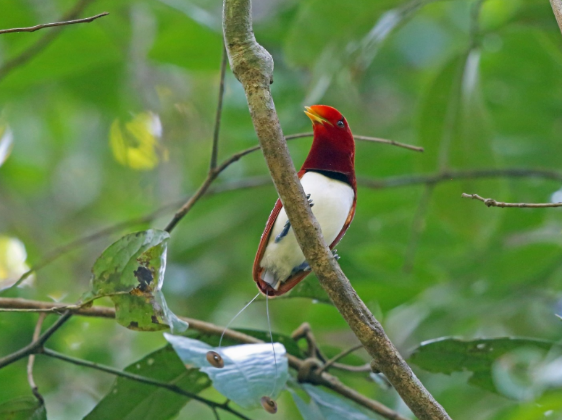
The King Bird of Paradise (©Nigel V)

By comparison, the king bird of paradise (Cicinnurus regius) is much smaller, measuring only about 16 cm. Even though it is small, it remains one of the most eye-catching birds-of-paradise. The male is bright red with a white breast, an emerald-green throat, striking blue legs, and a unique spiral tail. Combined with the fan-like feathers on its shoulders, this tiny bird looks like a living gem when it dances.

Behavior: Exotic Mating Dances

The mating behavior of the great yellow-billed bird-of-paradise is one of the most captivating natural spectacles in the forests of Papua. Male birds perform a distinctive dance on high branches, displaying their flowing golden-yellow plumage and singing their characteristic song. Interestingly, before the performance begins, the male cleans the branch he is perched on so that his body stands out more clearly against it. This spectacle takes place in an arena called a lek, where several males gather and compete to put on their best display in order to attract the attention of females.
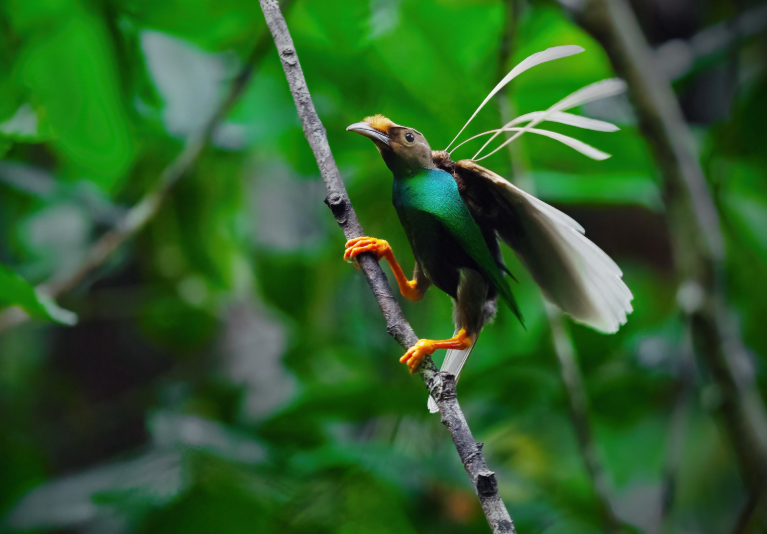
Standardwing Bird of Paradise (©JJ Harrison)

It turns out that each species of bird-of-paradise has its own unique courtship dance. While the Great Yellow Bird-of-Paradise dances in the canopy of tall trees, the Standardwing Bird of Paradise (Semioptera wallacii) from Halmahera does things differently. This species has a distinctive courtship display in which it fans out its shoulder feathers like a fan while hopping along the lower branches of the forest. This variation in dance demonstrates the rich diversity of courtship behaviors within the bird-of-paradise family, while also underscoring its role as a symbol of Papua’s magnificent biodiversity..

Limited Distribution

The Great Yellow Bird of Paradise (Paradisaea apoda) actually has a fairly limited range compared to some other species of birds-of-paradise. This bird of paradise can only be found in the lowland forests of southern and southwestern Papua, extending to the central highlands of Papua New Guinea. Interestingly, they also inhabit Aru Island in Southeast Maluku, making them one of the truly distinctive endemic species in eastern Indonesia.
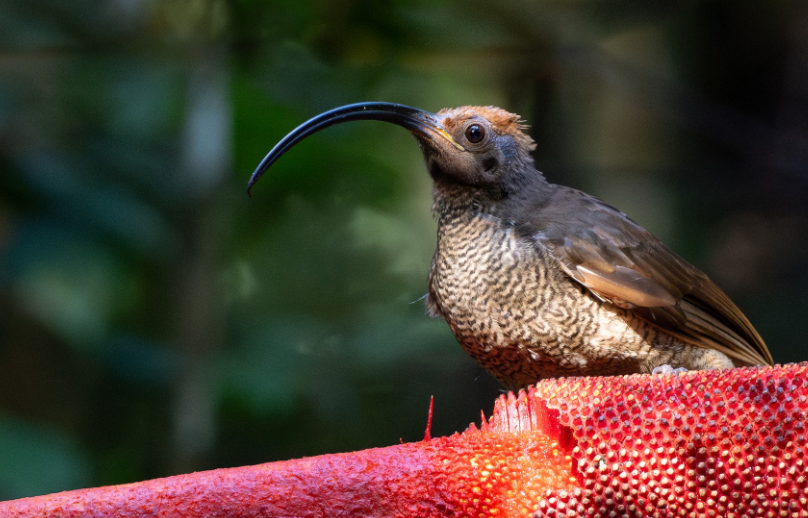
Black sicklebill (©Phil Chaon)

Each species of bird of paradise has a unique distribution pattern. Some are able to adapt to many regions, while others are restricted to a single island. For example, the king bird of paradise (Cicinnurus regius) has a fairly wide distribution in the southern and western parts of Papua, extending to the Aru Islands. This species is also relatively flexible, as it can be found in both lowland forests and secondary forests.

In contrast, the Standardwing Bird of Paradise (Semioptera wallacii) is an example of extreme endemism. This bird is found only on Halmahera Island in North Maluku, making its presence truly unique to that region. There is also the Black sicklebill (Drepanornis sp.), which inhabits the central mountainous region of Papua. This species has specialized adaptations to the cooler, more humid montane environment.

These differences in distribution patterns demonstrate just how diverse the ways are in which each species adapts to its habitat. From lowlands to mountains to small islands, birds of paradise truly reflect the ecological richness and evolutionary history of Papua and eastern Indonesia.
TSE Group’s Conservation Initiative in the Asiki Region

The forests managed by TSE Group in Asiki, South Papua, are home to an extraordinary biodiversity. This is more than just a tropical rainforest, it is home to many endemic and protected species. In 2021, the TSE Group, in collaboration with the Tropical Forest Foundation, conducted a survey to assess High Conservation Value (HCV) areas within their concession. The results were quite surprising: 13 species of mammals, 61 species of birds, and 23 species of herpetofauna (amphibians and reptiles) were recorded as living there. These findings underscore the importance of this area as a natural habitat that supports the diversity of species unique to Papua.

Water Networks, the Heart of the Ecosystem

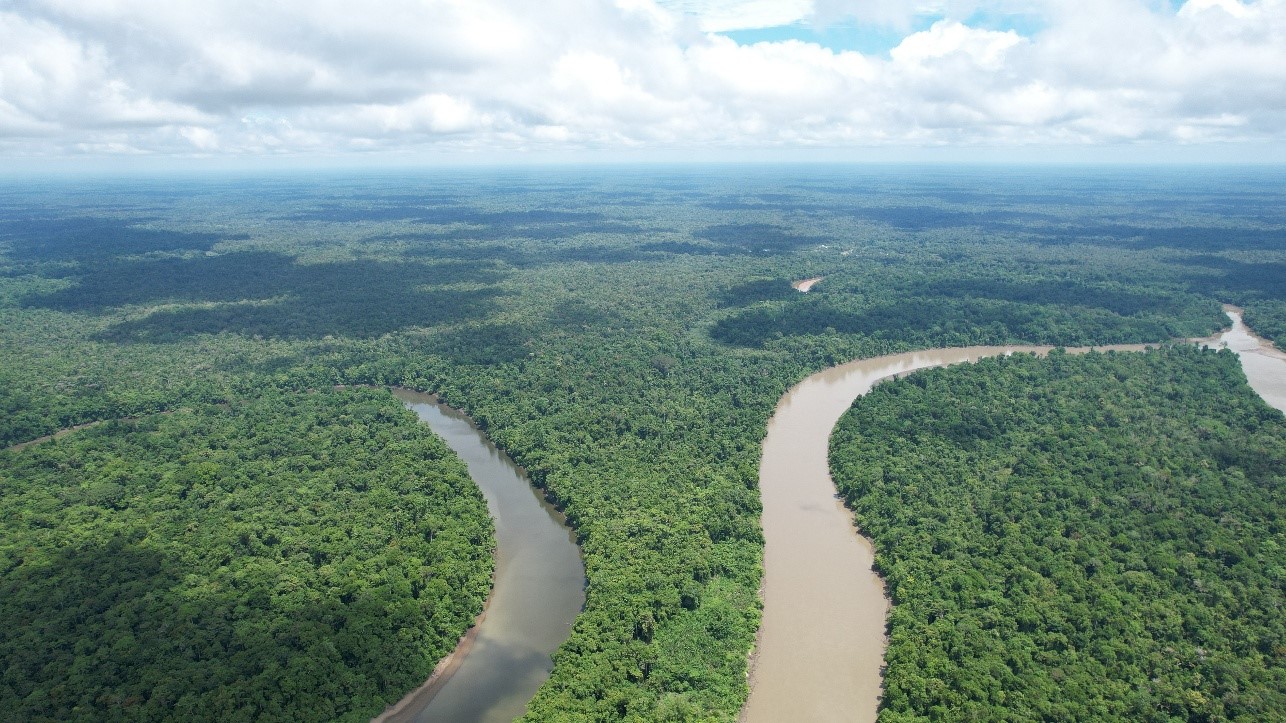
The TSE Group’s concession area in South Papua features a unique topography. The landscape stretches from north to south, with three major rivers flowing through nearly the entire region, plus a river in the northeast that empties into a natural lake. This network of waterways not only enhances the landscape but also serves as a lifeline that maintains a stable water supply throughout the year. The abundant water allows the forest vegetation in this area to thrive, creating a lush, green environment rich in food sources. The combination of the landscape’s topography, water availability, and dense forest cover makes this area an ideal habitat for a wide variety of wildlife.

The forests within the TSE Group’s management area are part of a large ecosystem that stretches from the Uwim Merah River and the Muyu River to the Fly River. Administratively, this area is located in Boven Digoel Regency, South Papua. The forest type is classified as lowland tropical rainforest growing on dry land. Within these forests stand a diverse array of tree species with a rich and complex vegetation structure, creating a lush green landscape that serves as a habitat for many species of wildlife.

A Real Commitment to Protecting the Birds of Paradise

TSE Group believes that business and conservation can go hand in hand. The company actively integrates sustainability principles into its forest management practices, including the protection of key species such as the Great Yellow Bird of Paradise (Paradisaea apoda). By working with research institutions and local communities, the company aims to protect the forest while supporting sustainable production. This helps maintain a healthy ecosystem for the future.

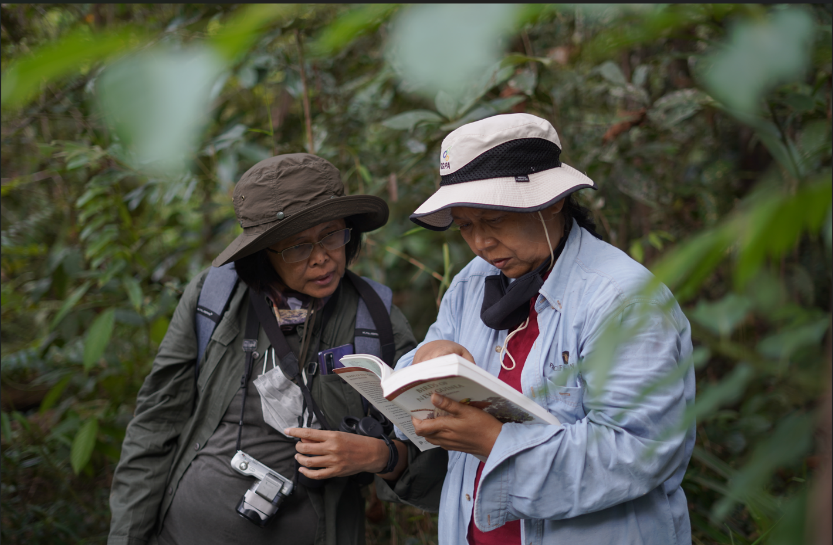
As a first step in supporting conservation, the Papua Conservation Team conducted research to gain a deeper understanding of the Great Yellow Bird of Paradise’s presence within the company’s operational area. The team successfully mapped the habitat, estimated the population size, and documented the tree species and forest conditions preferred by this “bird of paradise.” Most notably, the team paid special attention to the “lek trees”—the stage where male birds perform their courtship dances and which play a crucial role in their life cycle. These findings will serve as a vital foundation for ensuring that the forest is managed sustainably while providing a safe haven for this extraordinary endemic species of Papua.

Observation Tower: From Research to Education

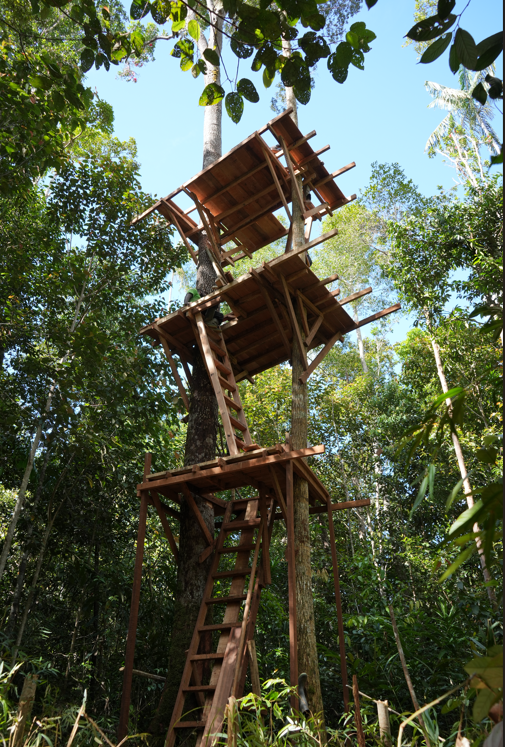
As part of concrete conservation efforts, in November 2022 the company built a 20 meter tall (four floor) observation tower in the forest area. The tower is located right next to a tree known as a “lek”—the dancing ground where male Great Yellow Birds of Paradise perform to attract mates. From this tower, researchers can observe the birds without disturbing their natural behavior. In addition to serving as a research center, the tower also opens up new opportunities for environmental education and even conservation-based ecotourism in the future.
From Data to Action: Protecting the Bird-of-Paradise Population

The Great Yellow Bird-of-Paradise (Paradisaea apoda) truly deserves to be called the star of the Papuan rainforest. Its shimmering golden plumage and graceful courtship dance always never fails to capture attentions. But beauty alone does not guarantee survival in the wild. We also need to know how many of them are left. We can only find that answer through field research. Every time researchers record an encounter with these birds of paradise, we are one step closer to understanding the best way to keep them dancing in the forests of Papua.

Tracking in Forests and Rivers

In a joint study conducted by the TSE Group and IPB University, a research team explored the forests of Papua all the way to the riverbanks in search of the Great Yellow Bird of Paradise. The results were quite interesting: out of 39 spotting locations, 56 of these birds of paradise were recorded—11 males and 45 females. They appear to thrive in a variety of habitats, ranging from primary and secondary forests to bushes.

What’s even more interesting is that the numbers vary from each region. Thirty-seven birds were found in the PT Inocin Abadi concession, compared to just 15 in the PT Tunas Timber Lestari concession. In fact, four birds were still spotted along the banks of the Kao and Muyu Rivers, indicating that rivers are not merely waterways but also vital corridors for the survival of birds of paradise.

A Voice Heard, A Hidden Figure

Interestingly, not all encounters involved direct sightings. At some locations, researchers only heard the distinctive call of the Great Yellow Bird of Paradise without actually seeing the bird itself. This demonstrates just how skillfully this bird hides within the dense forest canopy. Even so, the loud calls of the males, calling to females from their perches, serve as a strong indication of their presence.

Activity times were also an important finding. The Great Yellow Bird of Paradise is active from around 7:00 a.m. until 5:00 p.m., with peak activity occurring from midday through the afternoon. This pattern helps researchers determine the best times to conduct observations.

An Unbalanced Male to Female Ratio

One particularly striking finding concerns the ratio of males to females. In the first study, the ratio was found to be skewed—only 1 male for every 4.1 females. There are many possible causes. It could be that the male population is naturally smaller. However, there is also strong evidence that poaching targeting males with beautiful plumage has contributed to their decline in the wild.

Interestingly, the results of the study the following year were quite different. Because it was conducted during the breeding season, a greater number of males were observed—60 males and 40 females (a ratio of 1:0.6). This makes perfect sense, since during the breeding season males typically put on a spectacular display in lek trees to attract females. This finding serves as an important reminder that the timing of a study can significantly influence the picture of the population in the field.

Living in Small Groups

Field observations also provide an interesting insight into the lifestyle of the great yellow bird-of-paradise. Female birds are usually seen flying in small groups of 3–5. In contrast, males are more often seen alone. This pattern aligns with their lek behavior—the males are busy guarding their respective “stages” on the lek trees, while the females arrive in groups, much like an audience gathering to witness a remarkable performance.

 From Data to Action: Preserving the Timeless Dance of the Great Yellow Bird of Paradise

Tracking the number and distribution of birds of paradise isn’t just about the numbers. This data serves as a vital guide for determining what needs to be done to save them. If the number of males is declining, we know there’s cause for alarm. If there are areas with high sighting rates, that means those areas should be prioritized for stricter protection.

Research findings on the great yellow bird of paradise clearly show that they still exist, but the challenges are real. A skewed sex ratio, poaching, and habitat pressure pose serious threats. The good news is that data like this provides a foundation for meaningful conservation action. By working together with local communities, protecting their habitats, and creating sustainable opportunities through ecotourism, we can help ensure that these remarkable birds continue to thrive in Papua’s forests. Their survival is not only important for biodiversity, but also for preserving one of Indonesia’s most iconic natural treasures.

The Use of the Pig-Nosed Turtle: From Tradition to Trade

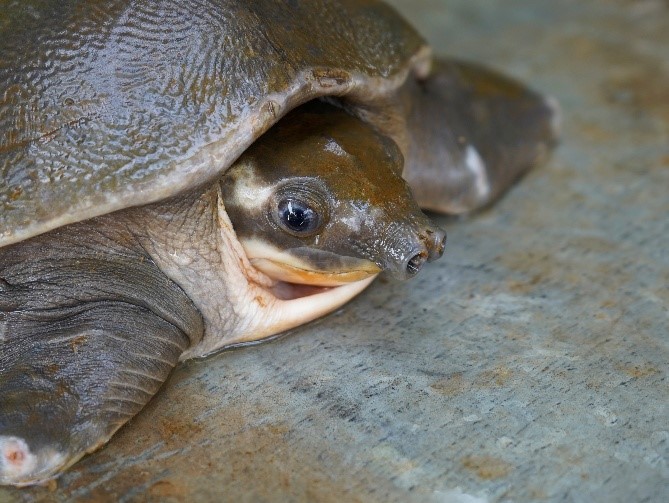
Among freshwater turtle species, the pig-nosed turtle (Carettochelys insculpta) is particularly unique, found only in Papua and parts of northern Australia. Its pig-like snout and flipper-like limbs set it apart from other turtles. However, these distinctive features have attracted not only researchers but also people who utilize it as pets, food, and trade commodities. The high level of exploitation has become one of the main factors threatening the survival of this rare species.

A Long History in Tradition

For the indigenous communities in southern Papua, the pig-nosed turtle is far from an ordinary animal. For a long time, it has been an integral part of daily life. Its meat and eggs are serve as important sources of protein, while in customary practices, it has even been used as a part of dowry in the Vriendschap River region. Traditional use is typically subsistence-based, meaning that only what is needed for household consumption is taken. As a result, its impact on wild populations has historically been relatively small.

When Market Demand Emerges

However, this situation began to change as market demand increased. Eggs and hatchlings were no longer viewed solely as food, but as valueable commodities. One story still remembered by the communities of Kao River dates back to 1997, when a foreign buyer reportedly arrived by helicopter to purchase large quantities of eggs. Since then, pig-nosed turtle eggs have come to be seen as “walking money,” symbolizing a shift from subsistence use to economic opportunity.

From Consumption to Commodity

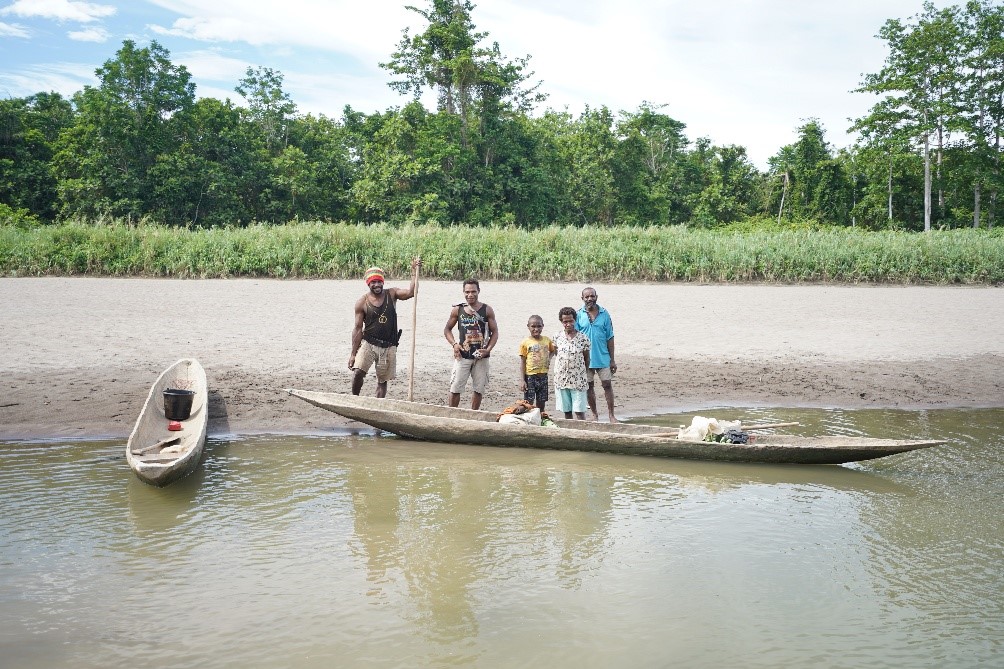
Gradually, the role of these turtles has shifted. For many community members, eggs now hold greater economic value than as a food source. Hunters prefer to sell the eggs, while the meat of adult turtles is typically consumed locally. Searching for nests and harvesting eggs has since become the primary livelihood. By setting out early in the morning by boat, hunters can return home with a harvest of considerable value—often seen as more reliable than other occupations such as farming or fishing.
.

.

Hatchlings (Tukik) as a Key Commodity

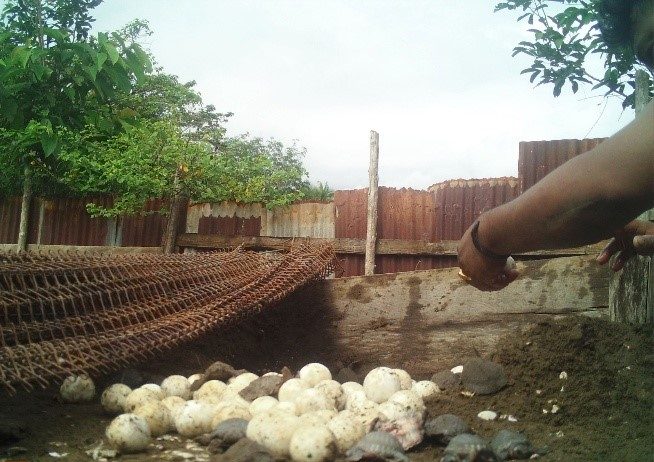
Over time, the market began to prefer hatchlings over eggs. Hatchlings are more resilient during long-distance transport, whereas eggs are easily damaged. As a result, people began incubating eggs before sale, since hatchlings could be sold at a higher price. This practice grew in popularity, further accelerating the intensive farming of pig-nosed turtles.
The Threat Behind the Benefits

For local communities, the pig-nosed turtle clearly provides economic benefits. However, excessive and continuous exploitation, combined with high dependence on natural resources and limited alternative livelihoods, is putting increasing pressure on its population. Without appropriate action, this species risks existing only in stories and memory.

The Path Toward Conservation

Pig-nosed turtles are more than just rare animals—they are the guardians of Papua’s river ecosystems. With their limited range and protected status, conservation efforts are crucial. Protecting them requires a combination of actions: safeguarding habitats from degradation, regulating use to prevent overexploitation, providing alternative sources of income for local communities, and raising awareness about the importance of this species. Without concrete actions, this unique turtles could disappear from the wild. Saving them is not just about protecting a single species, but also about maintaining the balance of the river and the life that depends on it.

When Turtles Become a Livelihood: A Portrait of Hunters in Papua

The hunting of pig-nosed turtles in Papua is not merely about endangered wildlife, but also a reflection of the socio-economic realities faced by local communities. For some hunters, hunting pig-nosed turtles has become a primary livelihood, supporting their families. When they are not hunting, they often work as fishermen, or seek other sources of income such as catching Irian turtles and arowana fish, or hunting wild boars, deer, and birds. These activities demonstrate that hunting is not simply a choice, but rather a means of survival in the face of limited economic opportunities.

Local Hunters, Outsider Middlemen

The hunting of pig-nosed turtles in Papua involves two key figures: local hunters and middlemen. For hunters, this activity is not a hobby, but a primary source of income—especially during the nesting season, which is their busiest time. Meanwhile, the middlemen typically have other main occupations, such as farming or trading, but get involved because of the significant economic opportunities in the trade of eggs and hatchlings.

Interestingly, many middlemen come from outside Papua. Some originate from Makassar, while others are of Javanese-Chinese descent who have long settled in Asiki. One hunter even shared that he learned egg incubation techniques from a “Javanese man” who was also known as a buyer during the period following the presence of foreign traders in the late 1990s. Through these middlemen, hatchlings are transported to Merauke, before being distributed to broader markets.

A Surprising Profile

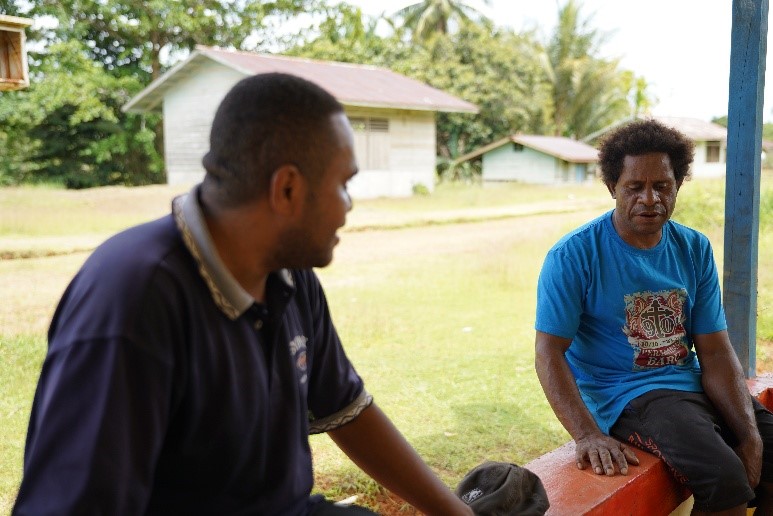
Interview findings challenge common assumptions about wildlife hunters. Most pig-nosed turtle hunters are between 34 and 55 years old and have relatively high levels of education. Many are high school graduates, and some have even served as village officials and hold bachelor’s degrees. This id notable, as hunting is often associated with low levels of education. In reality, these hunters are literate and communicate fluently in Indonesian—indicating that their choice to hunt is driven more by economic necessity than by a lack of knowledge.

Seasonal Hunting as a Livelihood

Many hunters previously pursued education outside their villages, particularly in Mindiptana District. However, the lack of job opportunities have led them to return home without a steady income. In this context, harvesting pig-nosed turtles becomes an attractive option, especially since harvesting rights are restricted to customary landowners. For these communities, the activity is not merely subsistence-based, but a fairly promising seasonal income opportunity.

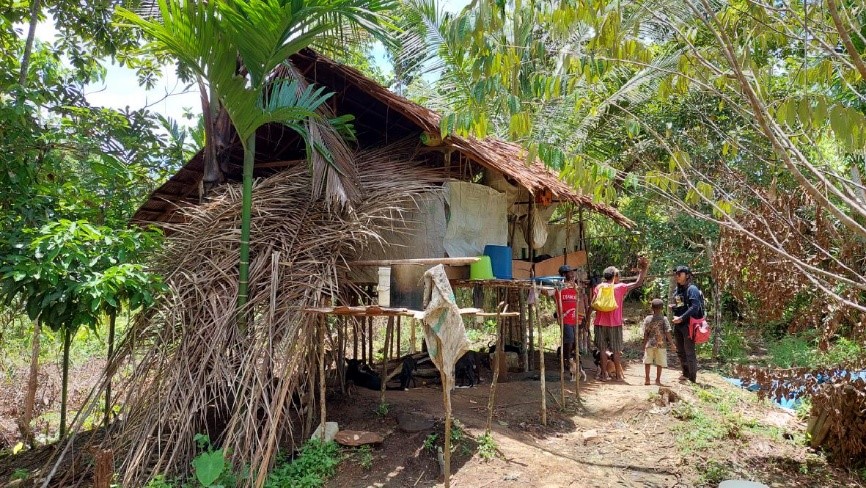
Hunting is usually carried out in groups of two to three people, led by a leader who is often more educated. They stay for months in simple huts near the hunting sites to reduce fuel costs. These wooden shelters, roofed with coconut leaves, serve as temporary bases and are equipped with egg incubation pit nearby. From there, eggs are hatched into hatchlings and then sold to middlemen demonstrating that this activity is managed in a structured and business-like manner.

A Persistant Dilemma

Interestingly, some hunters are aware that pig-nosed turtles are a protected species. As a result, they avoid transporting eggs or hatchlings out of Asiki to reduce the risk of legal consequences. There are also middlemen who hope to become licensed dealers under the supervision of the Natural Resources Conservation Agency (BKSDA), so that the trade can proceed more safely while maintaining stable prices.

The story of these hunters reflects a classic dilemma. On one hand, turtle eggs and hatchlings provide significant income for local communities. On the other hand, these practices threaten the survival of a species with a very limited distribution. However, if managed wisely, the hunters’ knowledge and skills could become valuable assets in supporting future conservation efforts.

Tracing Pig-Nosed Turtle Egg Harvesting Practices

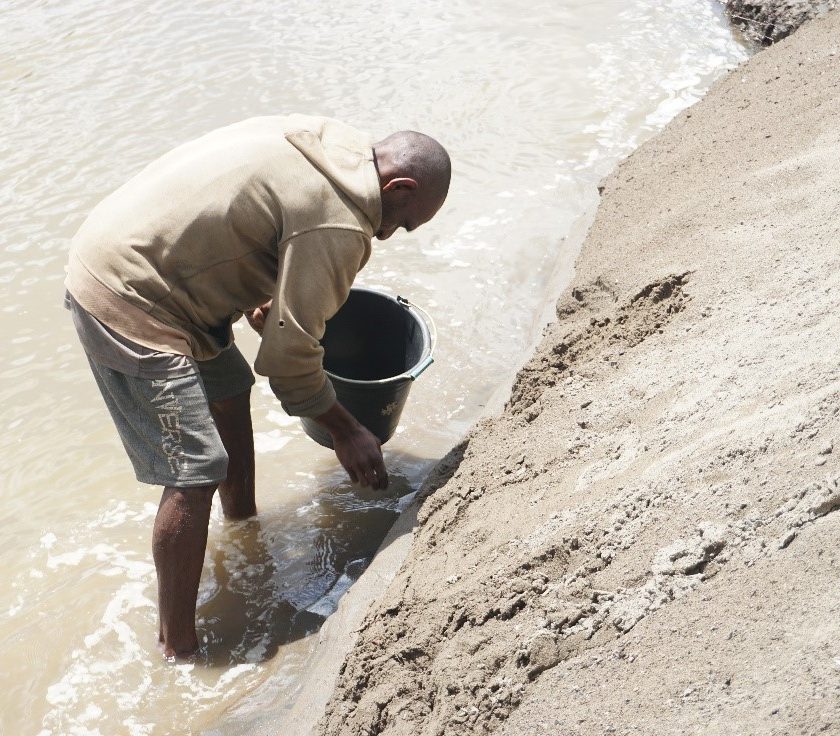
Every dry season, the Kao River offers a unique seasonal routine for local residents.  As the water recedes, sandbars emerge along the riverbanks, becoming a favorite nesting site for pig-nosed turtles (Carettochelys insculpta). This is what the community refers to as “harvest season.” For them, these nests in the sand are not merely part of the natural cycle, but an important source of income with high economic value.

Resources and Skills Behind Harvesting

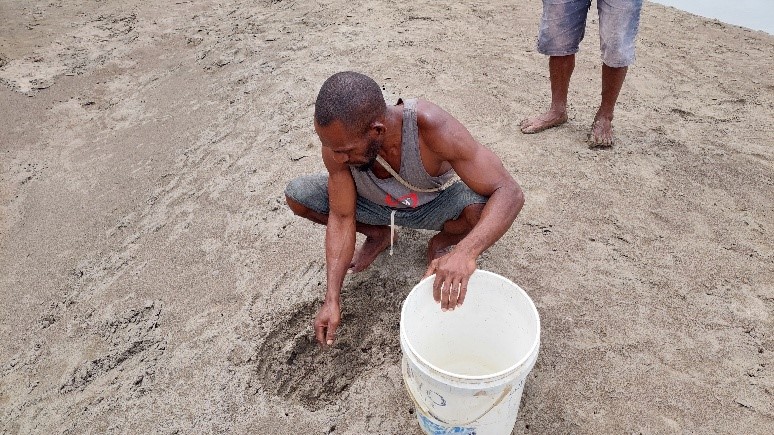
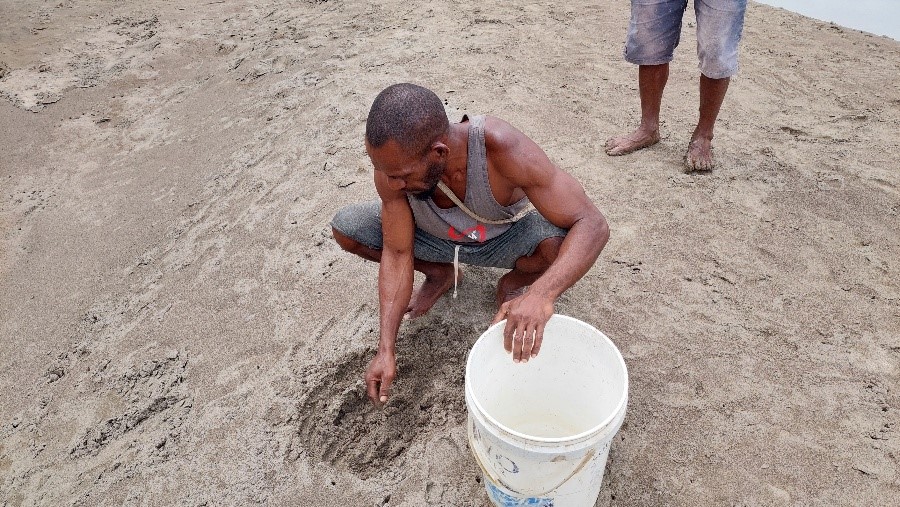
Harvesting pig-nosed turtle eggs turns out to be more than just digging in the sand. This activity requires a significant investment—especially for boat fuel—as well as skills passed down from generation to generation. Typically, the hunters set out early in the morning, walking along the riverbanks while carrying iron or wooden poles with specially shaped tips for probing the sand. With this simple tool, they can locate nests that are neatly hidden beneath the surface.

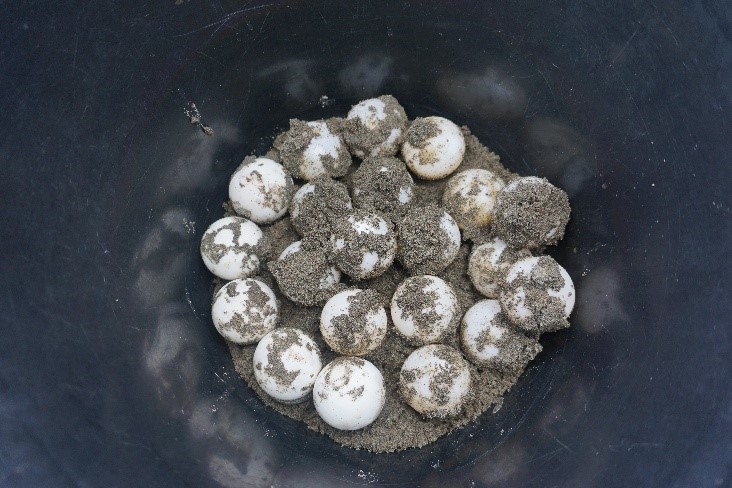
Nests that are found can be dug up immediately or marked with a small stick. If there are many nests, they are marked so they can be collected later. The collected eggs are usually placed in a bucket, with sand at the bottom and on top to protect them and keep them safe during transport. This technique is simple but effective in keeping the eggs intact until they reach the camp or the middlemen.

Harvest Season on the Sandbars

The pig-nosed turtle nesting season runs from August to December, peaking in September. During this period, hunters typically stay at the nesting sites for months at a time. They build simple huts out of wood and coconut leaves as temporary shelters, complete with hatching tanks that serve as temporary incubation areas for the eggs before they are sold.

Every morning, the sandbars are combed again in search of new nests. Unfortunately, harvesting is carried out indiscriminately. Eggs are taken from healthy nests, those flooded by the river, and even those already damaged by predators. As a result, almost no natural nests remain along the riverbank. The harvesting rate has reached 100 percent—a very high figure and certainly alarming for the conservation of this species.

Between Tradition and Threat

Behind the practice of egg harvesting, customary rules continue to play a vital role. People may only collect eggs within their traditional territory with explicit permission, and the harvest is distributed according to traditional customs. Violators—such as those who steal eggs outside the designated area—face customary penalties. This system serves as a means for the community to safeguard their rights to manage their natural resources.

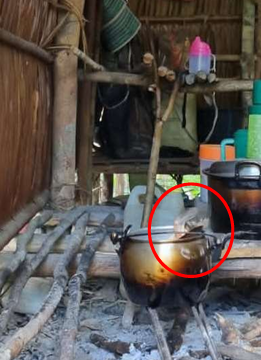
Even so, the high intensity of harvesting still poses a dilemma. It’s not just the eggs that are taken home; occasionally, the female turtles are caught as well. This usually happens in the early morning, when the females are still exhausted after laying eggs, or in the afternoon when they emerge onto the sandy shore. The captured females are not sold, but rather cooked together at the camp to sustain the hunters who spend weeks away from home.

The Middle Ground: Economy and Conservation

If all the eggs were collected every season, almost no new generation of pig-nosed turtles would survive in the wild. Combined with the capture of female adults, the population is clearly at risk of a drastic decline. From an ecological perspective, this is a warning sign: without regeneration, this unique species could slowly disappear from its natural habitat.

This is a classic dilemma: the economic needs of the community clash directly with conservation challenges. For local residents, turtle eggs are an important source of income—and for some, even their primary livelihood. But on the other hand, overharvesting clearly threatens the species’ survival.

The solution isn’t simply to ban the practice, but to find a middle ground. Educating people about the importance of leaving some nests intact, stopping the capture of female turtles, and creating alternative sources of income could be key steps. If managed wisely, the knowledge and skills of hunters can actually become a major asset in supporting conservation. In this way, a balance between the community’s economy and environmental sustainability can be maintained.

Unique Behavior and Adaptive Strategies of the Pig-Nosed Turtle

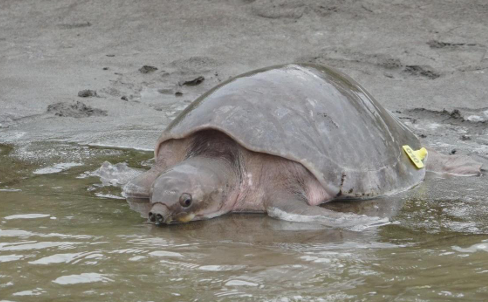
The pig-nosed turtle (Carettochelys insculpta) is one of the most unique freshwater animals in the world. Found only in Papua (Indonesia), Papua New Guinea, and northern Australia, this reptile is the sole surviving member of the Carettochelyidae family, making it a “living fossil” that tells the story of evolution from millions of years ago. Beyond its distinctive physical appearance, the pig-nosed turtle exhibits a number of unique behaviors that set it apart from other freshwater turtles.

A True Amphibian with a Distinctive Life Cycle

A mother pig-nosed turtle coming ashore to lay eggs

Although classified as a freshwater turtle, the pig-nosed turtle almost never leave its natural habitats in rivers, lakes, or swamps. It is truly a fully aquatic species. The only time it comes ashore is when the female lays her eggs. During nesting season, the female digs a hole in sandy riverbanks then lays her eggs there before returning immediately to the water, leaving the nest unattended. Interestingly, this simple process has a significant impact on the ecosystem, as it indirectly helps transfer nutrients from the water to the land.

A Sea Turtle-Like Swimming Style

Unlike most freshwater turtles, which have only webbed feet, pig-nosed turtles actually have flipper-like limbs similar to those of sea turtles. This unique adaptation makes it extremely agile in the water. Using a movement often referred to as “underwater flight,” it propel itself by alternating or synchronizing it front flippers, while the hind flippers act as rudders. This body design makes it a formidable swimmer capable of navigating fast-moving river currents, while also giving them an advantage when hunting for food or evading predators.

The Ability to Stay Underwater for Hours

One of the pig-nosed turtle’s most remarkable adaptations is the way it breathes. In addition to using lungs like other reptiles, it can also absorb oxygen through its cloaca—an opening near the tail. Inside are specialized, highly vascularized sacs known as cloacal bursae, which enable oxygen directly from the water. Thanks to this trick, pig-nosed turtles can stay underwater for hours without surfacing frequently. This is particularly helpful in murky waters or when resting peacefully while remaining safe from predators.

 The Snout as a Sensory Tool

The pig-nosed turtle’s most iconic feature is its snout—long, flexible, and pig-like, with highly sensitive nostrils. This specialized structure functions almost like an underwater sensor, capable of detecting vibrations and scents even in murky rivers. With this ability, the turtle can sniff out prey such as small fish, mollusks, shrimp, or even fruit that has fallen from the forest into the water. Its flexible snout is also essential for squeezing into narrow gaps between rocks and roots, makes it an expert hunter in their habitat.

A Proof of Remarkable Adaptability

The unique behavior of the pig-nosed turtle not only reflects its remarkable adaptation to freshwater environments but also highlights its vulnerability. Habitat degradation, declining water quality, and illegal hunting pose increasing threats to its survival. Protecting the pig-nosed means more than conserving a single species, it also helps preserve the balance of the river ecosystem, which serves as a home for many other forms of life. This species is not only a rare endemic treasure of Papua but also a powerful reminder of the importance of conserving biodiversity for future generations.


Characteristics of the Pig-nosed Turtle Nest in the Kao River

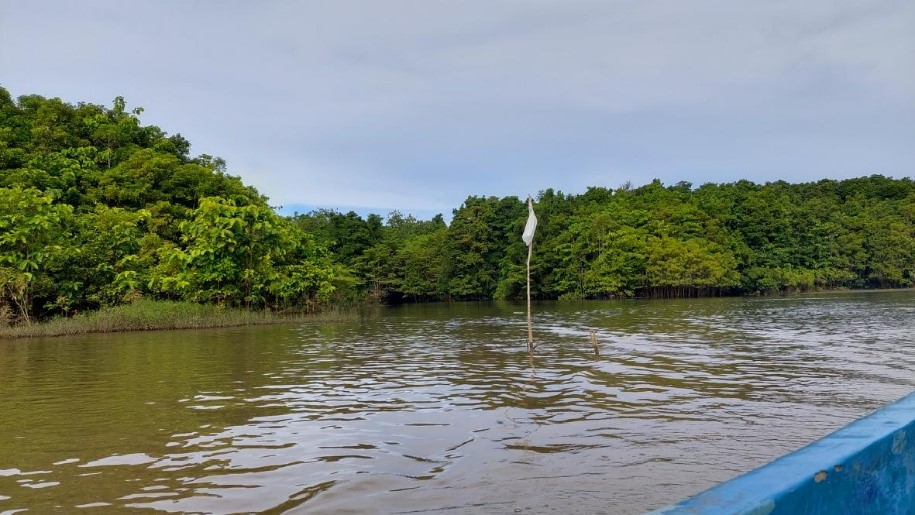
One of the most important habitats for pig-nosed turtles in South Papua is the Kao River. This river has a unique characteristic: its width can change drastically depending on the season. These fluctuations create expanses of sand that serve as vital nesting sites for pig-nosed turtles. At a glance, it may look like an ordinary river, but behind the dynamics of its flow lies the story of a rare species struggling to survive across generation.

A Dynamic River and Sand Dunes

The Kao River is no ordinary waterway. It is highly dynamic in nature; during the rainy season, its width can expand to over 120 meters, but when the water recedes, it shrinks drastically to just 20–50 meters. These extreme creates a river landscape that is constantly changing, adorned with riparian vegetation such as elephant grass, forest sugarcane, and gempol along its banks.

From these water dynamics that sandbars emerge—mounds of sand that appear only during low tide. For pig-nosed turtles, these sandbars are not merely natural formations, but vital nesting grounds. At low tide, the sandy expanse opens up, providing a strategic location for them to nest. However, when floods come, these sandbars can vanish beneath the water, revealing just how vulnerable these turtles’ “nesting grounds” are to changes in river flow.

Limited Nesting Sites

A study of the Kao River identified 97 sandbanks with the potential to serve as nesting sites for pig-nosed turtles. In reality, however, only six of these locations were actually in use, with active nests. Five other locations contained only nesting traces, while the majority were empty; in fact, many had been submerged by flooding at the time of the observation.

These findings indicate that not all sandy areas are suitable for nesting. The nesting habitat of the pig-nosed turtle is highly dependent on river dynamics. Floods can wash away nests, predators reduce hatching rates, and human disturbance adds further threats. As a result, only a few locations are truly safe for the next generation of pig-nosed turtles to be born.

Strategic Nest Design

Pig-nosed turtle nests turn out to have a clever natural design. On average, the nest is about 15 cm in diameter and 18 cm in depth—enough to hold dozens of eggs while remaining hidden. Its location is also carefully chosen: typically at the top of a relatively high sand dune, nearly one meter above the river’s surface, and about 12 meters from the water’s edge. This positioning reduces the risk of flooding.

The sand composition reaching up to 80% also supports nesting, as it is both stable and easy to dig. Through this careful selection, the mother turtle seems to be “setting the stage” perfectly so that her eggs can survive until they hatch.

Ideal Temperature, Natural Incubator

Not only location that matters, but also temperature plays a crucial role. During the day, temperatures range from 29–32.7 °C—warm, yet optimal. This range provides ideal conditions for egg incubation: warm enough to help the embryos develop, yet the sand retains sufficient moisture to prevent the eggs from drying out or damaged. In many ways, this sand dune functions as natural incubators designed by nature itself.

New Hope on the Sandbanks

Based on observations, a total of 715 pig-nosed turtle eggs were found in various nests. The number per nest varied: some contained as many as 29 eggs, while others were empty or contained only a few, likely because they had been preyed upon by predators. On average, each egg measures about 4 cm in size and weighed 50 grams—quite large for a freshwater turtle. However, their large size actually makes them vulnerable to predators, both mammals and humans.

More Than Just a Nest

The story of pig-nosed turtle nests and eggs in the Kao River illustrates just how fragile their life cycle is. Out of nearly a hundred sandbanks, only a handful are actually used for nesting, and even those must still face threats from flooding, predators, and human activity. The hundreds of remaining eggs are a symbol of hope, but they also reflect just how slim their chances of survival are.

Protecting pig-nosed turtles and their nests means safeguarding the lifeblood of the river itself. A healthy river is not only a home for turtles, but also supports hundreds of other species that depend on the water, sand, and surrounding vegetation. Conserving pig-nosed turtles means caring for the river’s ecosystem—a precious legacy that will continue to flow for generations to come.


The Pig-Nosed Turtle: An Icon of River Conservation in Papua

In southern Papua, from Merauke to Kaimana, there is a truly unique river species: the pig-nosed turtle (Carettochelys insculpta). This species is not only rare but also the sole surviving member of the Carettochelyidae family. In many ways, it is a “living fossil” that carrying the story of evolution from millions of years ago.

Unfortunately, this uniqueness comes with serious threat. According to the IUCN Red List, the pig-nosed turtle is now classified as Endangered. It is also listed under Appendix II of CITES, which regulates its international trade. In Indonesia, protection for this species has been regulated for a long time, through the 1978 Minister of Agriculture Decree, Government Regulation No. 7 of 1999, and the 2018 Ministry of Environment and Forestry Regulation. All of these regulations serve as a stark warning for effective conservation efforts to ensure its survival.

River Ecosystem Guardians

The pig-nosed turtle is a semi-aquatic species, spending nearly its entire lives in the water. Only females come ashore during the nesting season. Uniquely, this life cycle is not only crucial for the species’ reproduction but also plays ecological role by distributing nutrients between land and water. Its presence also serves as an indicator of freshwater ecosystem health; if pig-nosed turtles are thriving, it means the river ecosystem remains in good condition.

 From Endangered Species to Flagship Species

In the world of conservation, the term flagship species refers to animals served as icons to raise public awareness. Typically, flagship species are charismatic, iconic animals capable of winning the sympathy of many people—such as tigers, elephants, or orangutans. However, this approach is rarely applied to freshwater animals.
This is where the pig-nosed turtle holds great potential. With its distinctive snout, unique behavior, and endangered status, it meets all the criteria to become an ambassador for the conservation of Papua’s freshwater ecosystems. Designating it as a flagship species offers two benefits at once:

  1. Raising public awareness. Its unique appearance makes it easy recognizable and relatable to the public.
  1. Protecting broader ecosystem. Preserving its habitat means safeguarding rivers, wetlands, and riparian forests—homes to hundreds of other species.

A Symbol of Conservation in Papua

Elevating the pig-nosed turtle as a flagship species is not just about protecting a single species, but rather a strategic approach to conserving entire freshwater ecosystems. When rivers remain healthy, they sustain not only turtles, but also fish, birds, and local communities that depend on them for their livelihoods.

The pig-nosed turtle is more than just a unique species from Papua. It is a symbol of the struggle to protect rivers, preserve forests, and maintain our natural heritage alive for future generations. By protecting it, we are truly protecting the future of Papua’s freshwater ecosystems.


Greater Bird-of-Paradise: A Beautiful Dancer and Guardian of Papua’s Forest

Who would have thought that behind its shiny golden feathers and captivating lekking dance, the Greater Bird-of-Paradise (Paradisaea apoda) holds an important secret for the survival of tropical forests? Its ecological role is rarely recognized by many people, yet without this magnificent bird, forest regeneration could be significantly disrupted.

Frugivore: Guardian of Forest Regeneration

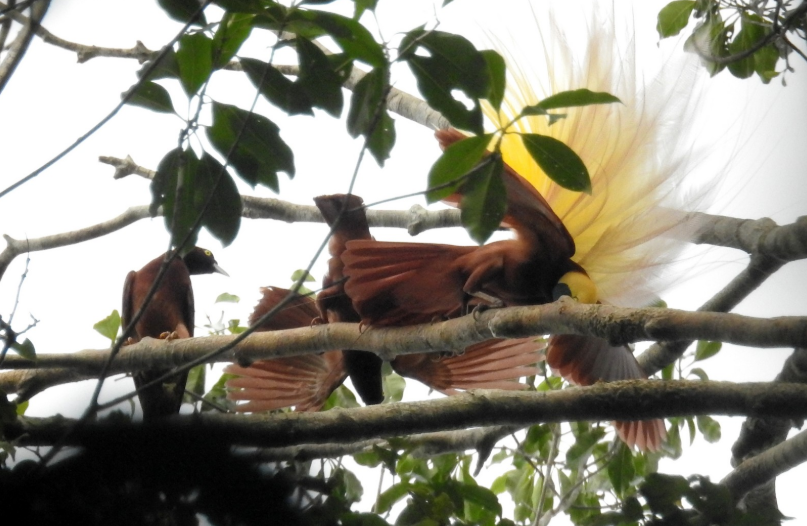
Two Greater Bird of Paradise individuals on a bintagur tree branch

The Greater Bird-of-Paradise is known as a frugivorous bird, which means that its main food source is fruit. In its daily life, this bird moves from one tree to another in search of ripe fruit. What may seem like a simple feeding habit plays a major role in the ecosystem. The birds do not only just eat fruit, but it also acts as natural seed dispersers.

Some seeds when bird feeds can fall to the ground, while other seeds that are swallowed will come out again with feces in places that are often far from the parent tree. In this way, Greater Bird-of-Paradise helps new plants grow in various locations, maintaining forest diversity and ensuring that natural regeneration continues.

A Natural Agent of Ecological Succession

When the research team observed its behavior, it was clear that this bird of paradise loved to eat a variety of forest fruits—from nibung, mendarahan, pala (nutmeg), beringin rambat (climbing figs), to jambuan. Uniquely, the seeds from these fruits are not only eaten to fill their stomachs.

Seeds that come out of the bird’s digestive tract often fall far from the parent tree, providing opportunities for new seedlings to grow themselves elsewhere.

A Great Yellow Bird of Paradise eating nibung fruit

Seeds eaten by birds of paradise are often dispersed when these birds jump from one tree canopy to another. As a result, new plants can grow in empty spaces, open areas, or even forests that have been disturbed. Through this simple method, the Greater Bird-of-Paradise contributes to plant diversity and accelerates forest recovery. It is no wonder, it can be considered one of nature’s important agents in the process of ecological succession.

Birds-of-Paradise and Biodiversity

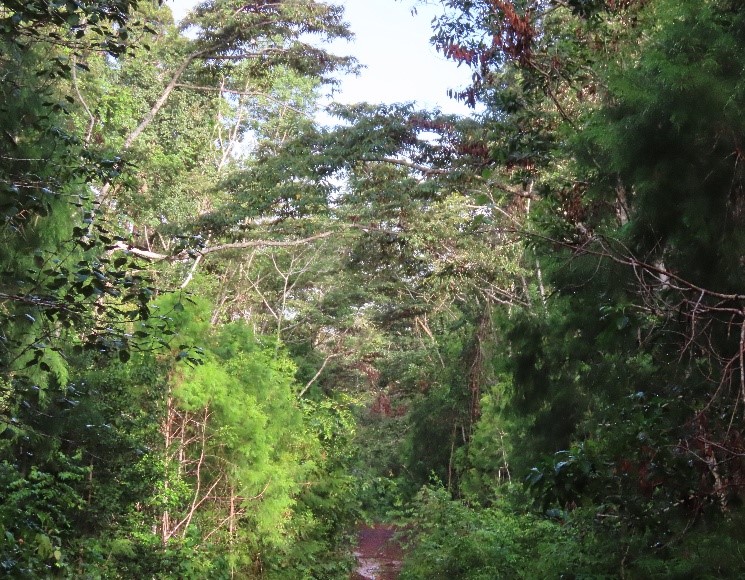
Natural regeneration in Asiki Forest, South Papua

With their ability to travel long distances and move between high forest canopies, the Greater Bird-of-Paradise play an important role in increasing forest biodiversity. Their extensive movements enable the dispersal of seeds from various plant species to different areas, including locations far from the parent trees. Each seed dispersed is like a small puzzle piece of forest life, ensuring a diverse, healthy, and thriving ecosystem.

The role of fruit-eating birds such as the Greater Bird-of-Paradise extends beyond just one or two types of trees. Many tropical forest

plants depend on animals for seed dispersal. Without them, plant diversity would decline, and the structure of the forest could become homogeneous or degraded.

More Than Just a Bird

Protecting Greater Bird-of-Paradise is not just about ensuring that this beautiful bird soaring freely, but also about safeguarding the forest continues to breathe. From the fruits it consumes to the seeds it disperses, the bird helps the forest regenerate and sustain the diversity of life within it. Every effort to conserve the Greater Bird-of-Paradise is, in essence, an effort to protect Papua’s tropical rainforests and all the creatures that depend on them.

Papua Conservation

Asiki, Jair,
Boven Digoel Regency,
Papua 99661


T: 021-396-7102
E: mail@papuaconservation.com