
The hunting of pig-nosed turtles in Papua is not merely about endangered wildlife, but also a reflection of the socio-economic realities faced by local communities. For some hunters, hunting pig-nosed turtles has become a primary livelihood, supporting their families. When they are not hunting, they often work as fishermen, or seek other sources of income such as catching Irian turtles and arowana fish, or hunting wild boars, deer, and birds. These activities demonstrate that hunting is not simply a choice, but rather a means of survival in the face of limited economic opportunities.
Local Hunters, Outsider Middlemen
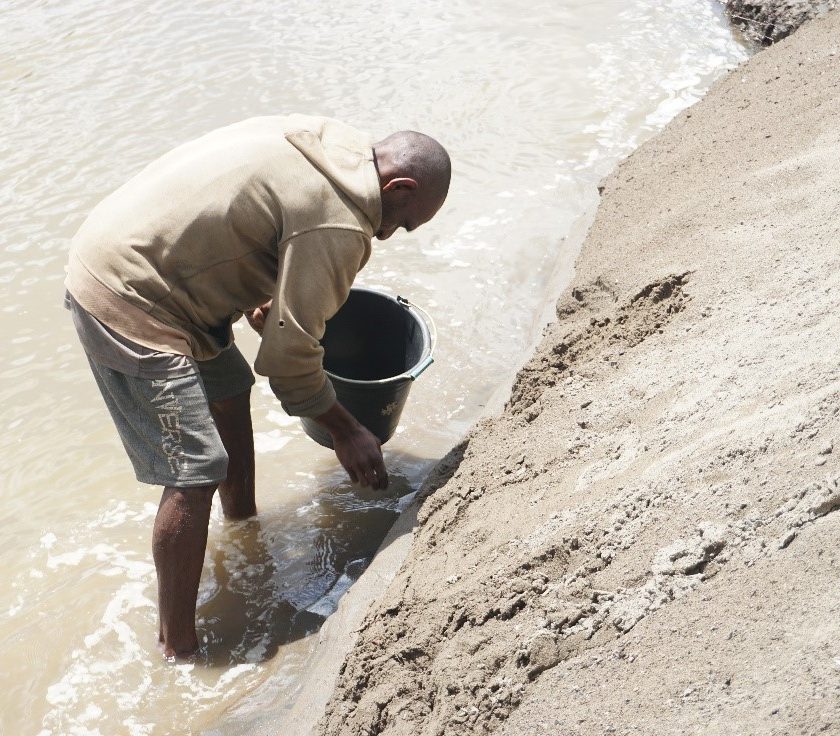 The hunting of pig-nosed turtles in Papua involves two key figures: local hunters and middlemen. For hunters, this activity is not a hobby, but a primary source of income—especially during the nesting season, which is their busiest time. Meanwhile, the middlemen typically have other main occupations, such as farming or trading, but get involved because of the significant economic opportunities in the trade of eggs and hatchlings.
Interestingly, many middlemen come from outside Papua. Some originate from Makassar, while others are of Javanese-Chinese descent who have long settled in Asiki. One hunter even shared that he learned egg incubation techniques from a “Javanese man” who was also known as a buyer during the period following the presence of foreign traders in the late 1990s. Through these middlemen, hatchlings are transported to Merauke, before being distributed to broader markets.
A Surprising Profile
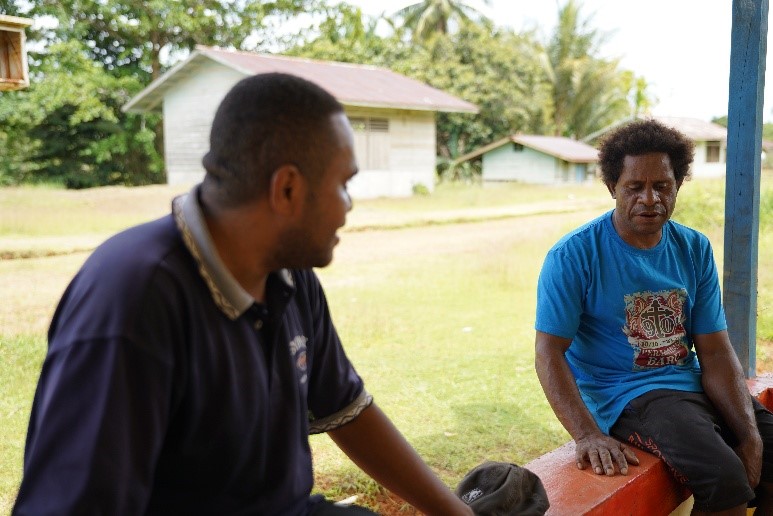
Interview findings challenge common assumptions about wildlife hunters. Most pig-nosed turtle hunters are between 34 and 55 years old and have relatively high levels of education. Many are high school graduates, and some have even served as village officials and hold bachelor’s degrees. This id notable, as hunting is often associated with low levels of education. In reality, these hunters are literate and communicate fluently in Indonesian—indicating that their choice to hunt is driven more by economic necessity than by a lack of knowledge.
Seasonal Hunting as a Livelihood
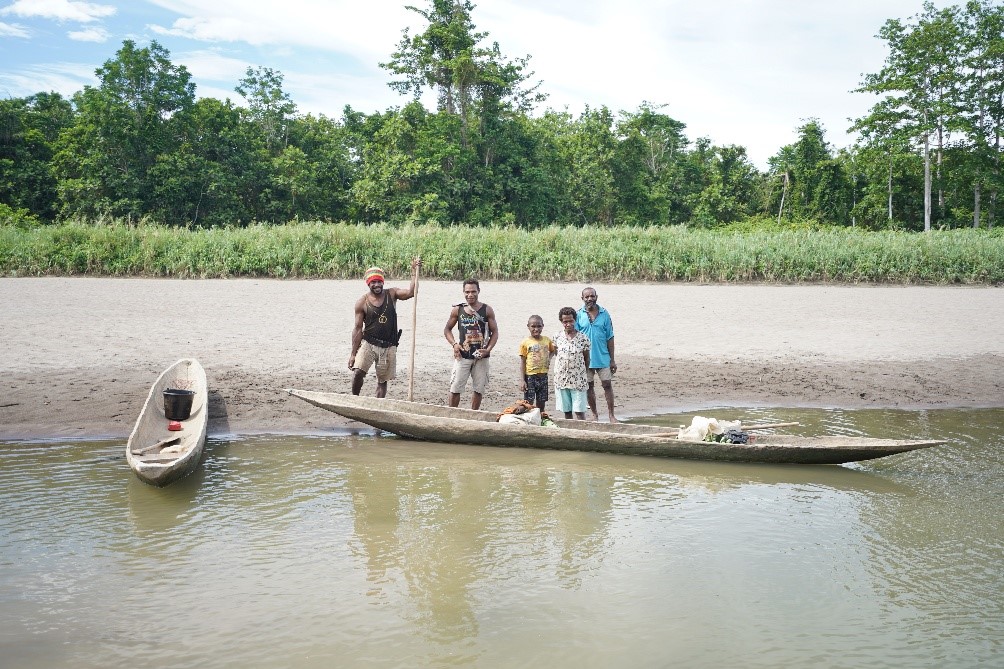
Many hunters previously pursued education outside their villages, particularly in Mindiptana District. However, the lack of job opportunities have led them to return home without a steady income. In this context, harvesting pig-nosed turtles becomes an attractive option, especially since harvesting rights are restricted to customary landowners. For these communities, the activity is not merely subsistence-based, but a fairly promising seasonal income opportunity.
Hunting is usually carried out in groups of two to three people, led by a leader who is often more educated. They stay for months in simple huts near the hunting sites to reduce fuel costs. These wooden shelters, roofed with coconut leaves, serve as temporary bases and are equipped with egg incubation pit nearby. From there, eggs are hatched into hatchlings and then sold to middlemen demonstrating that this activity is managed in a structured and business-like manner.
A Persistant Dilemma
Interestingly, some hunters are aware that pig-nosed turtles are a protected species. As a result, they avoid transporting eggs or hatchlings out of Asiki to reduce the risk of legal consequences. There are also middlemen who hope to become licensed dealers under the supervision of the Natural Resources Conservation Agency (BKSDA), so that the trade can proceed more safely while maintaining stable prices.
The story of these hunters reflects a classic dilemma. On one hand, turtle eggs and hatchlings provide significant income for local communities. On the other hand, these practices threaten the survival of a species with a very limited distribution. However, if managed wisely, the hunters’ knowledge and skills could become valuable assets in supporting future conservation efforts.
