
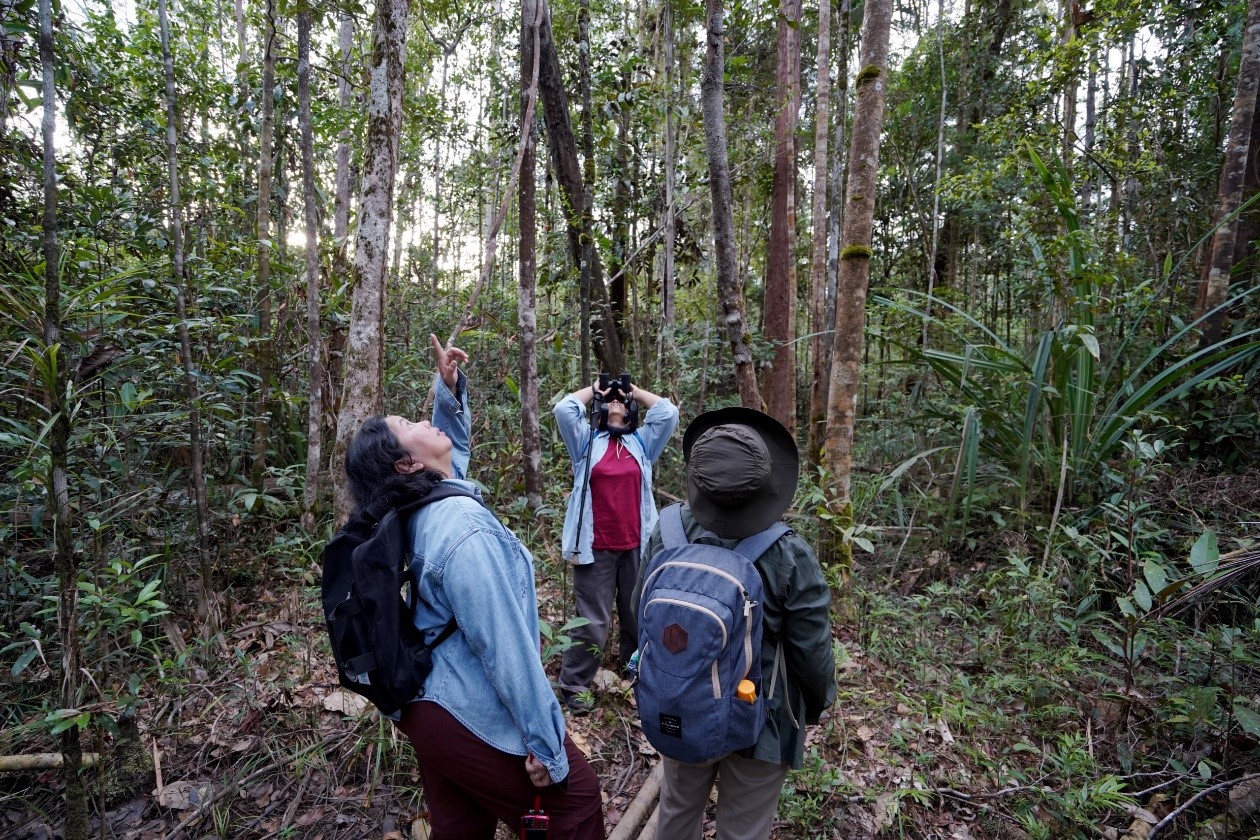
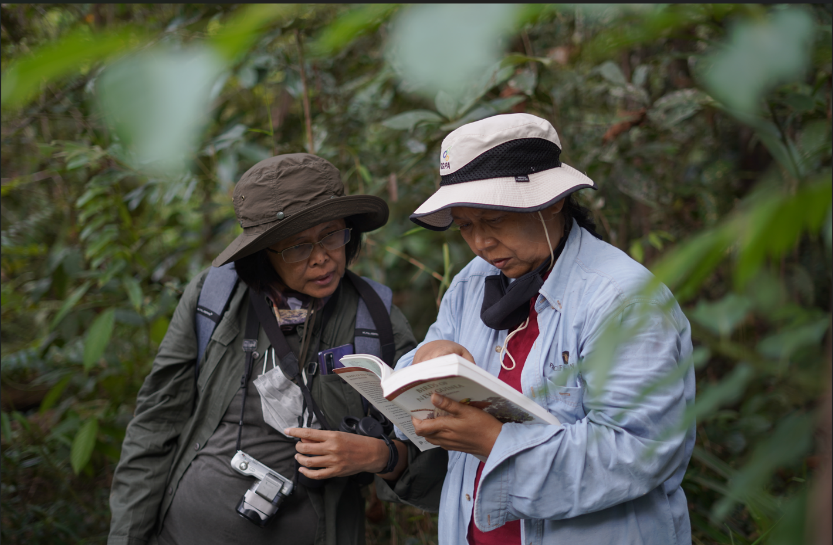
Photo: IPB University team doing biodiversity monitoring at a conservation area near TSE Group’s operational site in South Papua. This activity supports endemic fauna protection efforts in the region
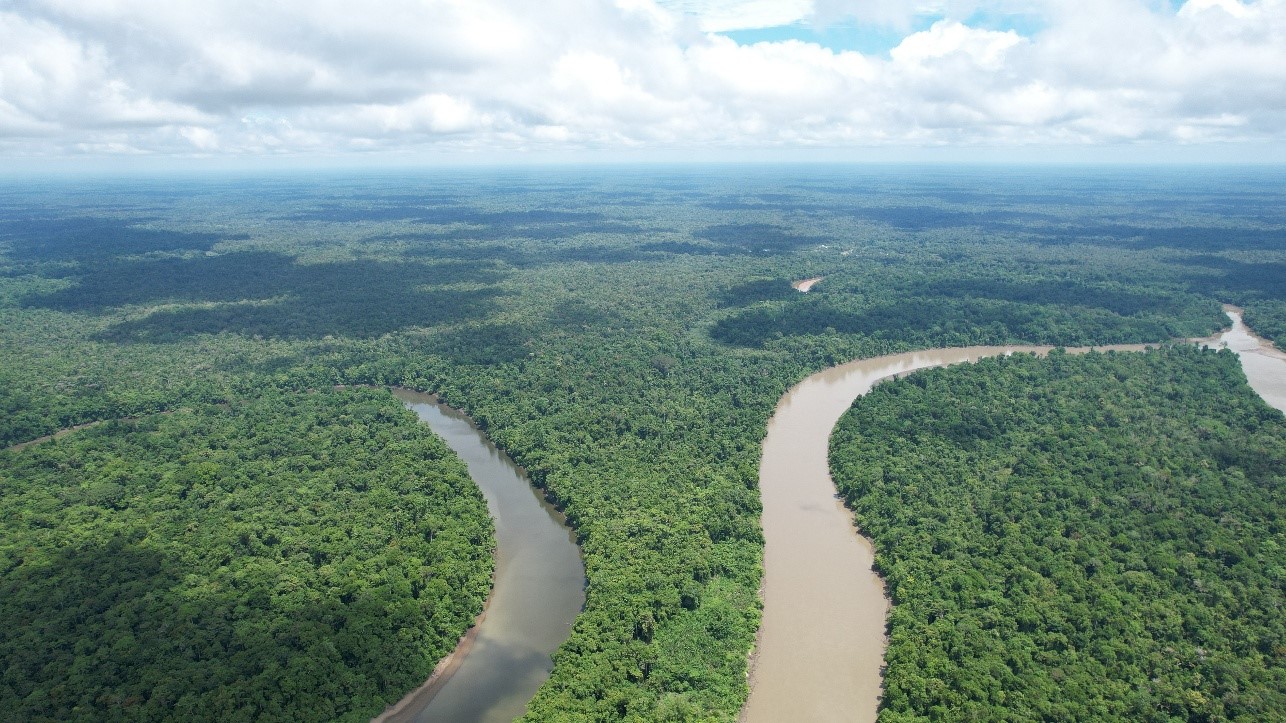
MERAUKE – Papua Conservation, the biodiversity project by IPB University and Tunas Sawa Erma (TSE) Group, enters a new chapter. Recently, it reached its fifth year of research in the conservation area around TSE Group’s operational site in South Papua.
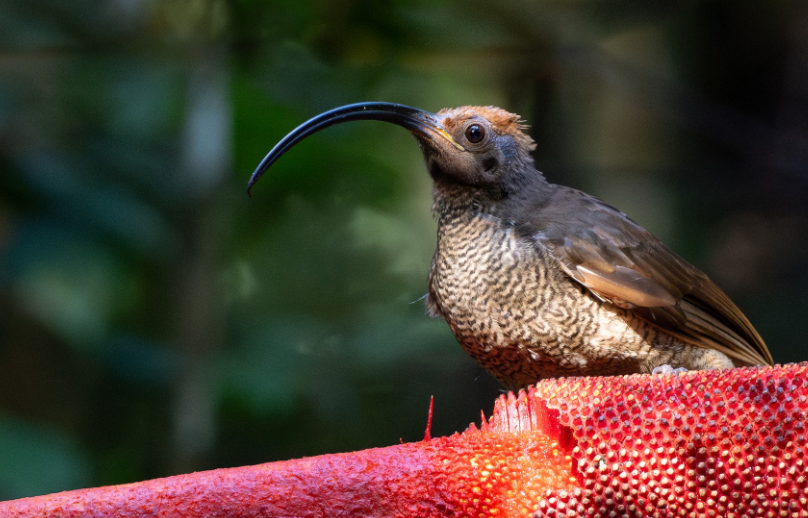
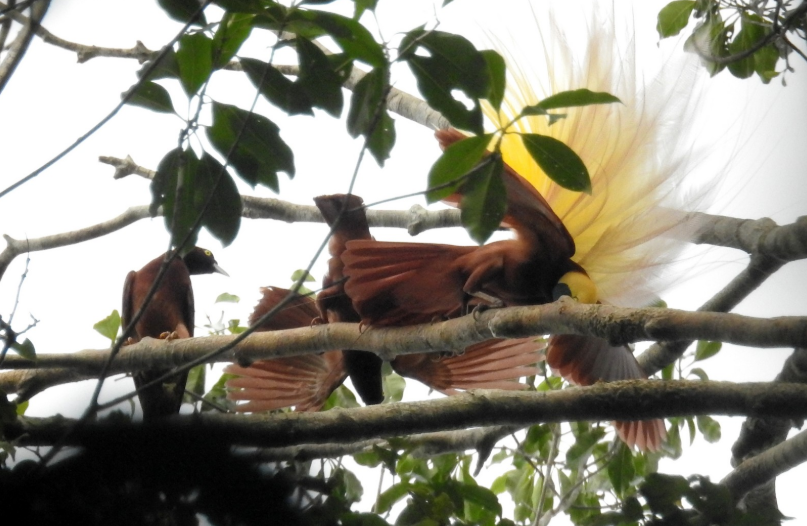
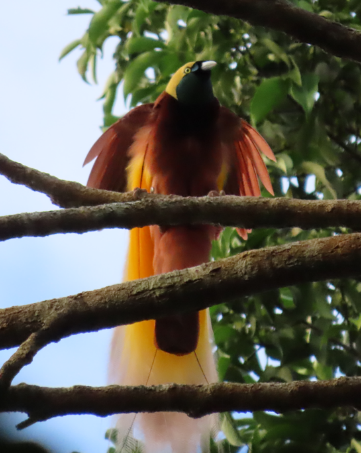
This area includes High Conservation Value (HCV) and High Carbon Stock (HCS) forests previously identified by the company. Such places are home to the local endemic wildlife — particularly the greater birds-of-paradise (Paradisaea apoda) and pig-nosed turtles (Carettochelys insculpta).
“We believe effective conservation is supported by scientific research and data. Through [our] collaboration with IPB University, we hope to enrich public understanding of the ecological diversity in Papua, while improving the systems that manage conservation areas around our site,” said Luwy Leunufna, TSE Group’s director on Friday (7/8/2026).
Papua Conservation partly focuses on the greater birds-of-paradise, with observational activities centered around a critical period in the annual migration cycle. It’s this period when birds of various species travel to warmer regions, readying themselves before the breeding season.
With this in mind, the project later conducted a 40-day study on lekking, a behavior in which male birds-of-paradise dance to attract female counterparts.
Another focus of Papua Conservation is the pig-nosed turtles. Following a previous examination of this High Conservation Value species, Prof. Ani Mardiastuti, Dr. Yeni Aryati Mulyani, and six other members of the research team will track their reproductive behavior.
Monitoring enclosures will be installed around the habitat as the team undergoes each stage of the intensive observation period (mating, egg-laying, and hatching). This activity is scheduled to be completed after approximately 90 days to enable comprehensive data collection.
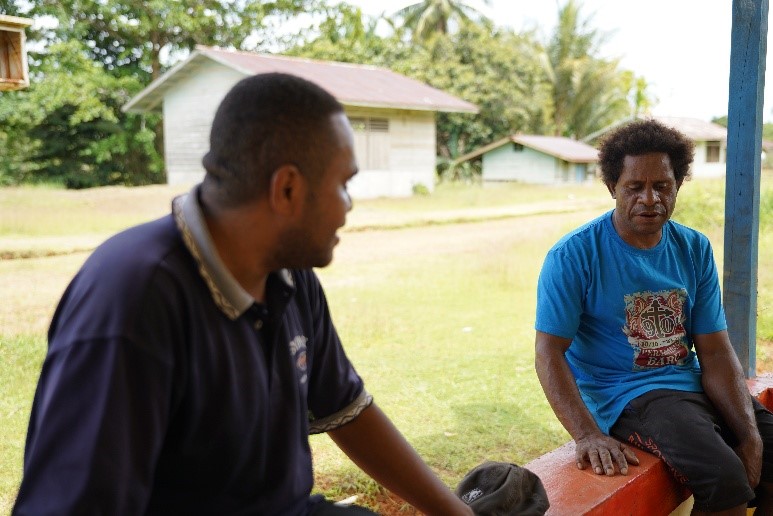
The research team will also interview local community members and deploy Global Positioning System (GPS) devices in their study of the turtles’ movement patterns and activity in the water. They hope to gain insight into the turtles’ home range, habitat preferences, and daily routine.
Papua Conservation’s fifth anniversary demonstrates that academia-private sector partnerships can contribute to biodiversity conservation and viability in Papua. This ongoing project is expected to provide stronger data to reinforce conservation area management and wildlife protection initiatives. (PR)
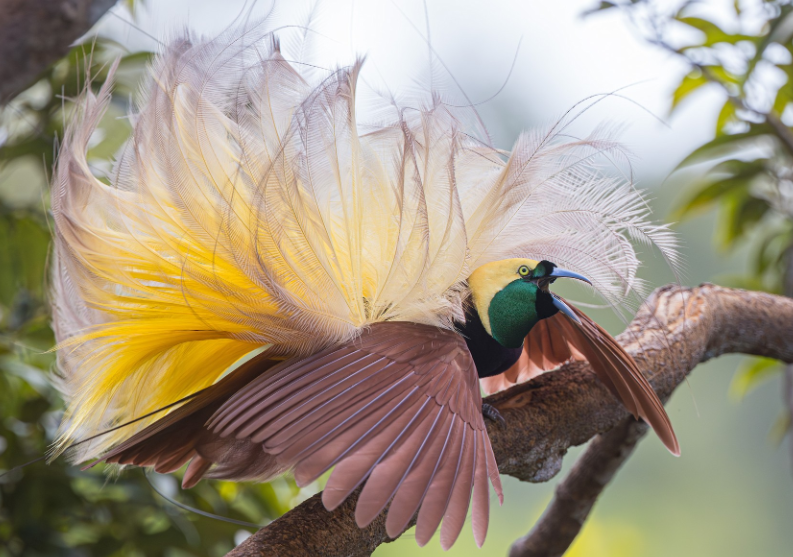
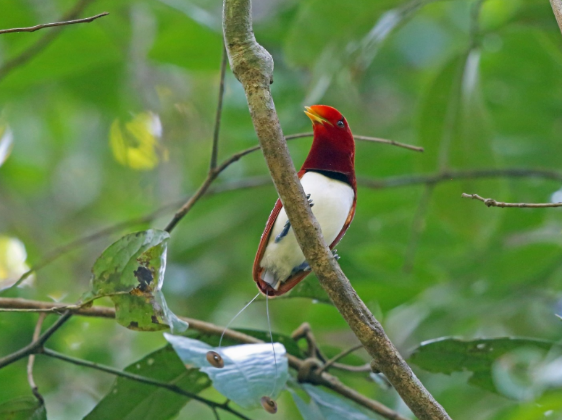
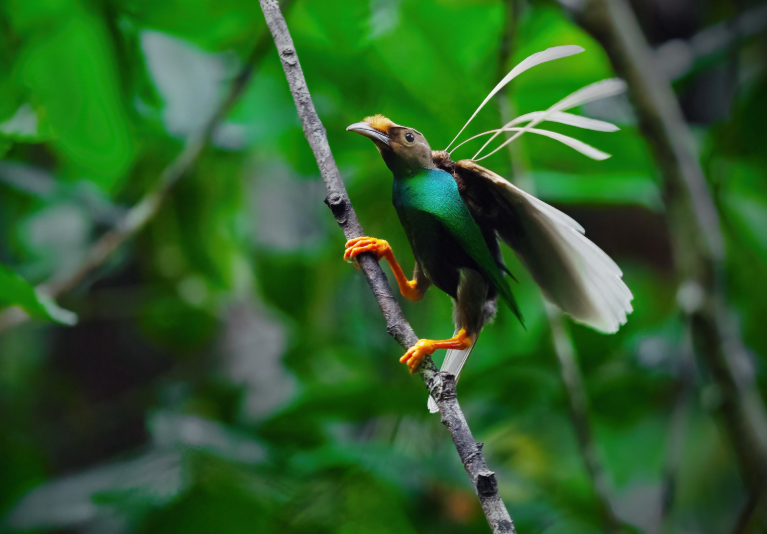
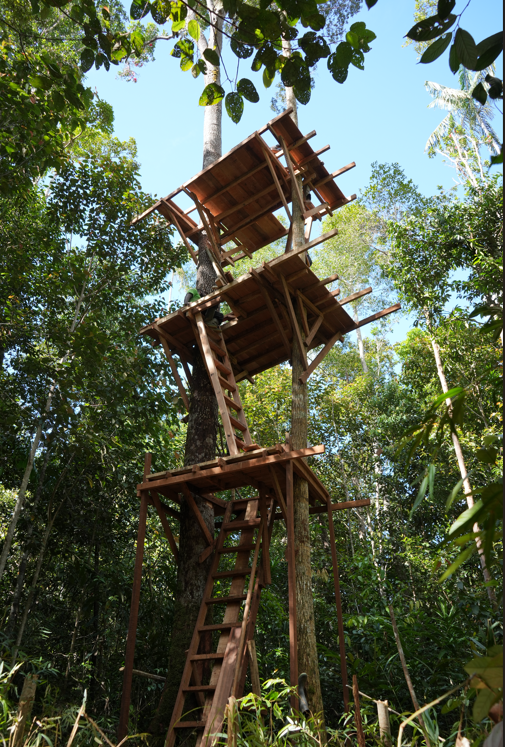 As part of concrete conservation efforts, in November 2022 the company built a 20 meter tall (four floor) observation tower in the forest area. The tower is located right next to a tree known as a “lek”—the dancing ground where male Great Yellow Birds of Paradise perform to attract mates. From this tower, researchers can observe the birds without disturbing their natural behavior. In addition to serving as a research center, the tower also opens up new opportunities for environmental education and even conservation-based ecotourism in the future.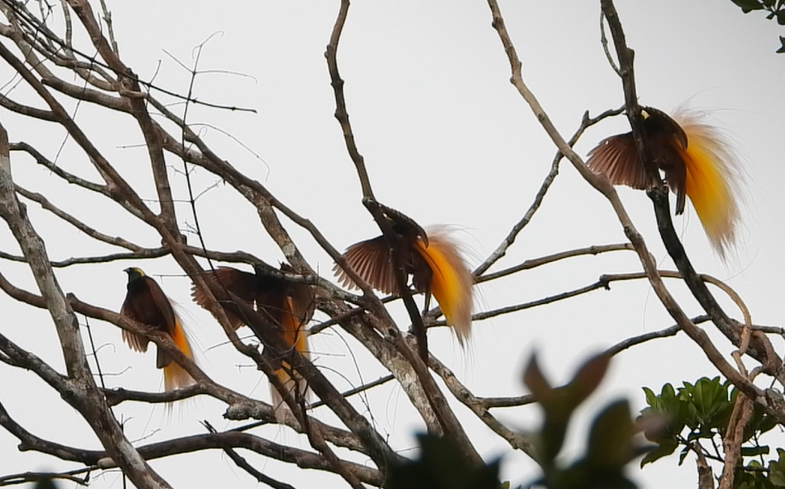
 Living in Small Groups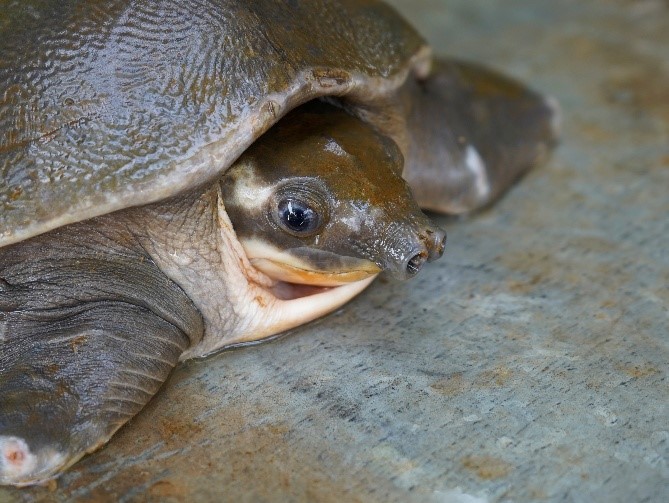
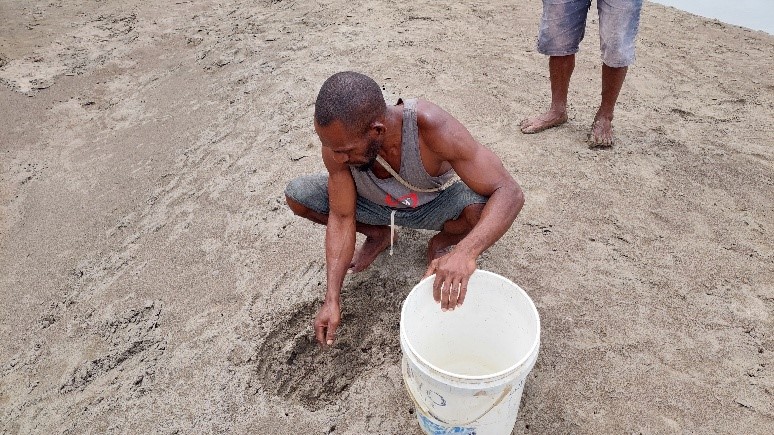
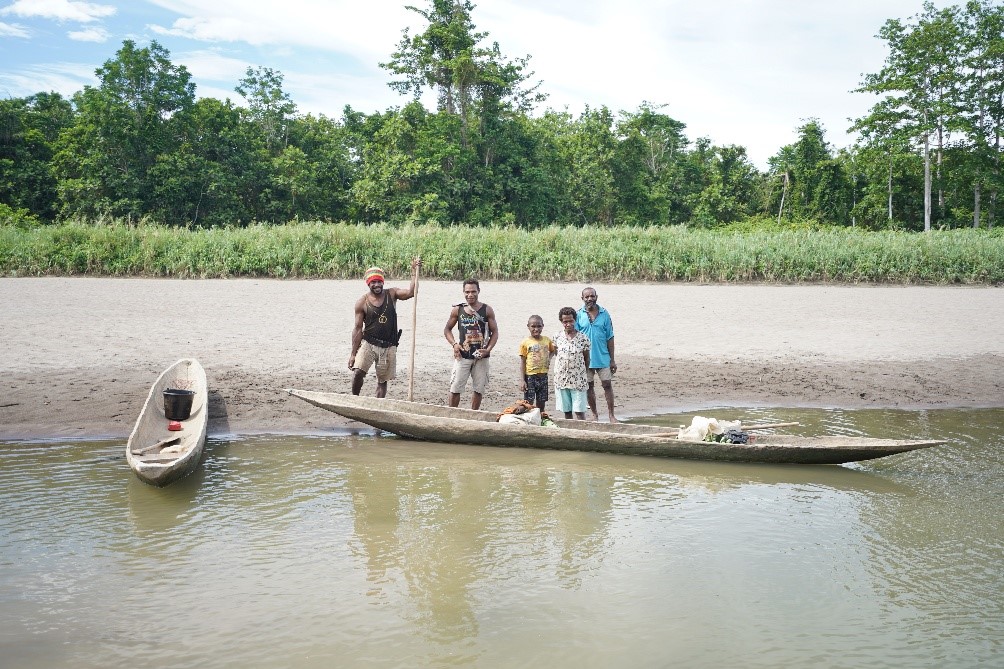
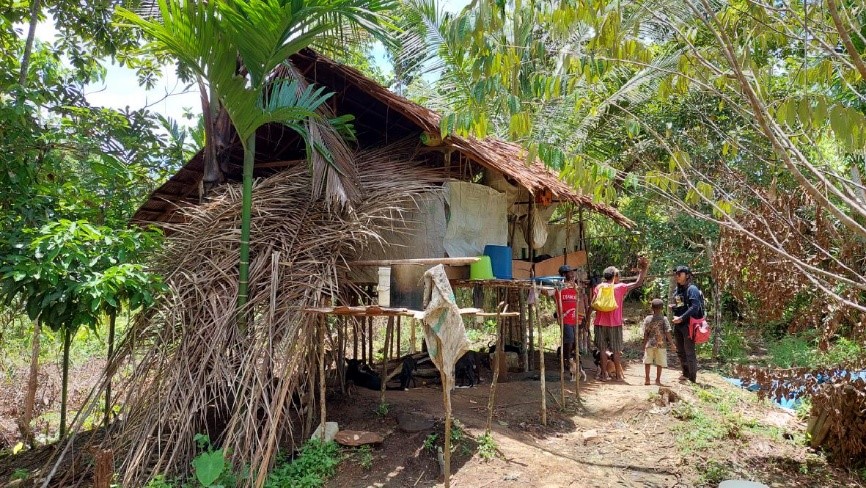
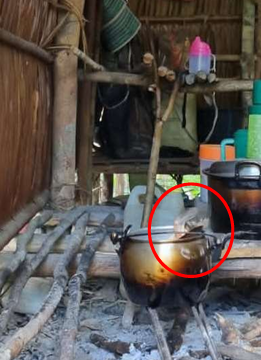 Gradually, the role of these turtles has shifted. For many community members, eggs now hold greater economic value than as a food source. Hunters prefer to sell the eggs, while the meat of adult turtles is typically consumed locally. Searching for nests and harvesting eggs has since become the primary livelihood. By setting out early in the morning by boat, hunters can return home with a harvest of considerable value—often seen as more reliable than other occupations such as farming or fishing.
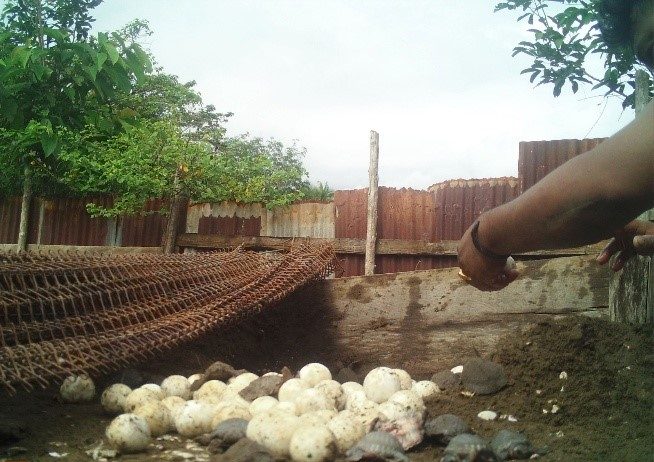 Over time, the market began to prefer hatchlings over eggs. Hatchlings are more resilient during long-distance transport, whereas eggs are easily damaged. As a result, people began incubating eggs before sale, since hatchlings could be sold at a higher price. This practice grew in popularity, further accelerating the intensive farming of pig-nosed turtles.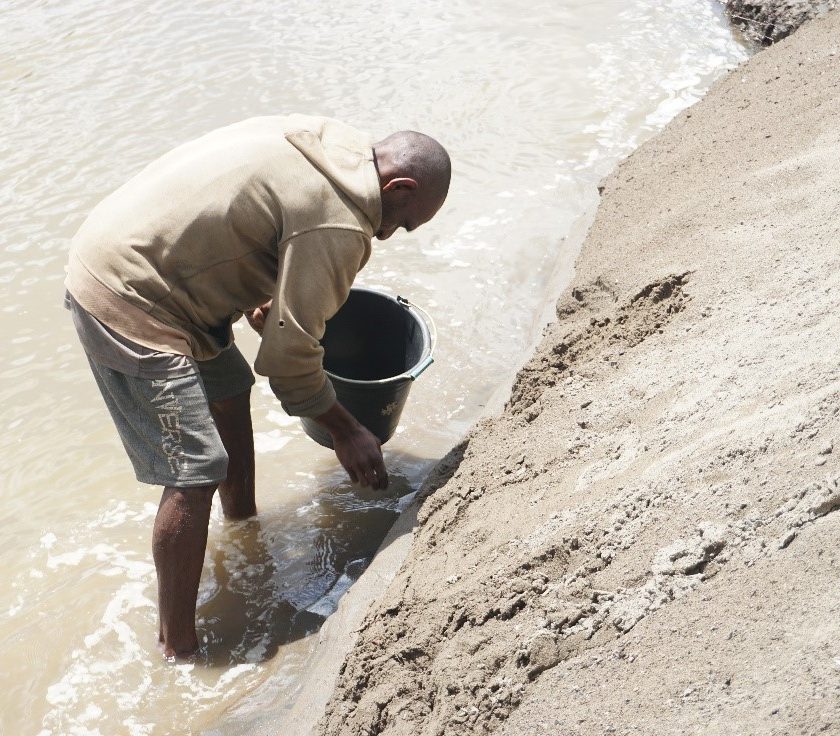
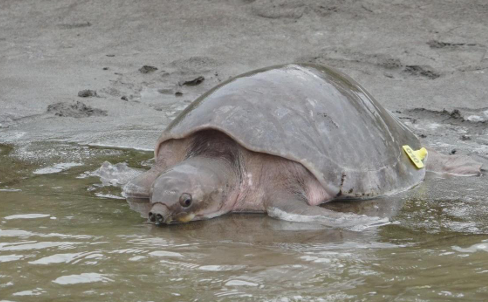
 Unlike most freshwater turtles, which have only webbed feet, pig-nosed turtles actually have flipper-like limbs similar to those of sea turtles. This unique adaptation makes it extremely agile in the water. Using a movement often referred to as “underwater flight,” it propel itself by alternating or synchronizing it front flippers, while the hind flippers act as rudders. This body design makes it a formidable swimmer capable of navigating fast-moving river currents, while also giving them an advantage when hunting for food or evading predators.
 One of the pig-nosed turtle’s most remarkable adaptations is the way it breathes. In addition to using lungs like other reptiles, it can also absorb oxygen through its cloaca—an opening near the tail. Inside are specialized, highly vascularized sacs known as cloacal bursae, which enable oxygen directly from the water. Thanks to this trick, pig-nosed turtles can stay underwater for hours without surfacing frequently. This is particularly helpful in murky waters or when resting peacefully while remaining safe from predators.
 The pig-nosed turtle’s most iconic feature is its snout—long, flexible, and pig-like, with highly sensitive nostrils. This specialized structure functions almost like an underwater sensor, capable of detecting vibrations and scents even in murky rivers. With this ability, the turtle can sniff out prey such as small fish, mollusks, shrimp, or even fruit that has fallen from the forest into the water. Its flexible snout is also essential for squeezing into narrow gaps between rocks and roots, makes it an expert hunter in their habitat.
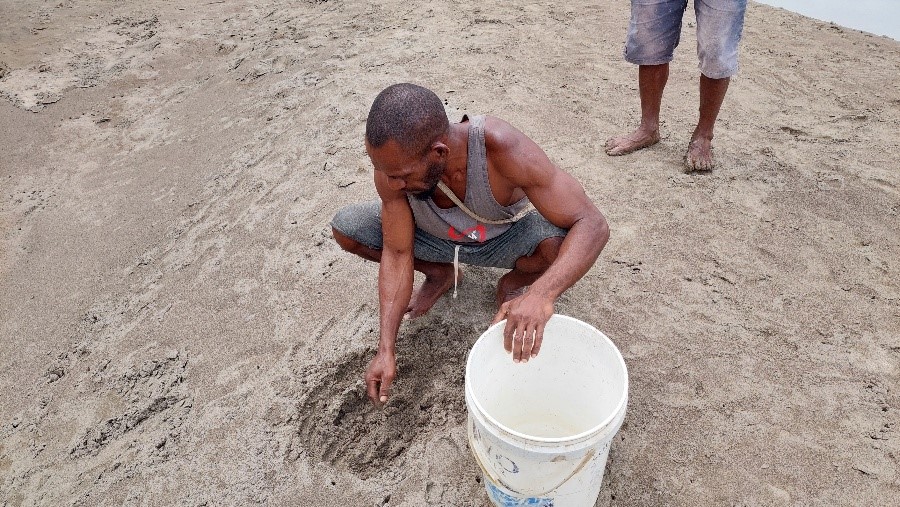
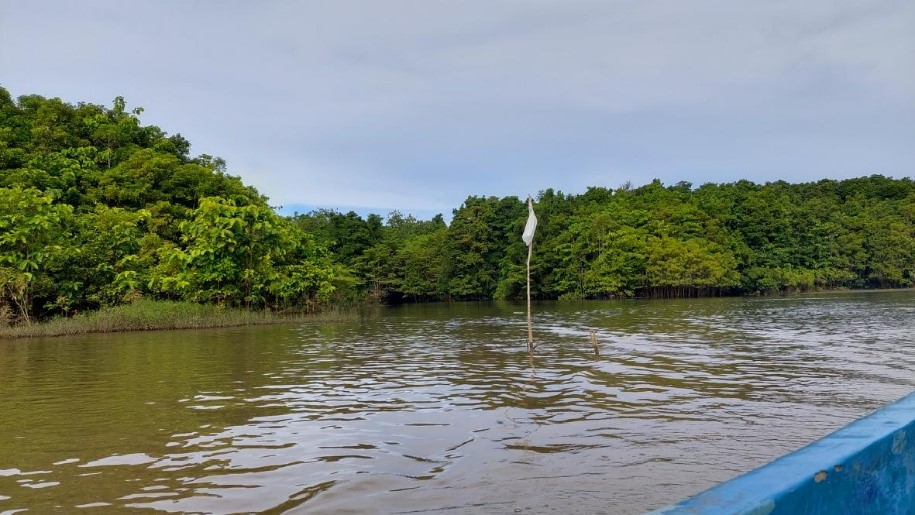
 A study of the Kao River identified 97 sandbanks with the potential to serve as nesting sites for pig-nosed turtles. In reality, however, only six of these locations were actually in use, with active nests. Five other locations contained only nesting traces, while the majority were empty; in fact, many had been submerged by flooding at the time of the observation.
 Pig-nosed turtle nests turn out to have a clever natural design. On average, the nest is about 15 cm in diameter and 18 cm in depth—enough to hold dozens of eggs while remaining hidden. Its location is also carefully chosen: typically at the top of a relatively high sand dune, nearly one meter above the river’s surface, and about 12 meters from the water’s edge. This positioning reduces the risk of flooding.
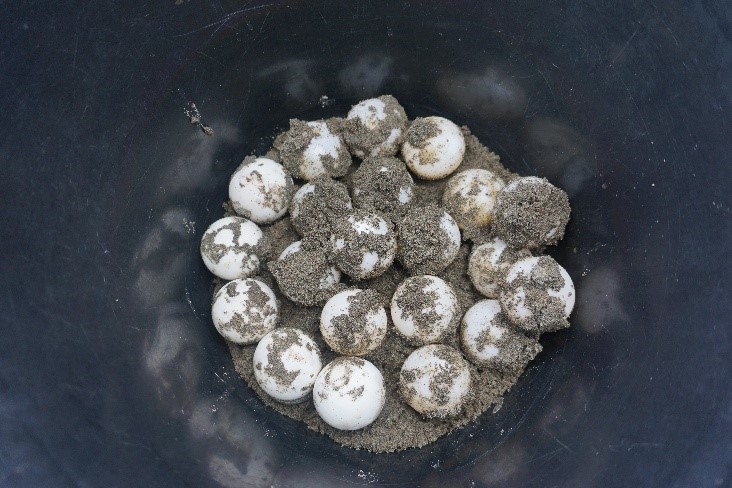
 Based on observations, a total of 715 pig-nosed turtle eggs were found in various nests. The number per nest varied: some contained as many as 29 eggs, while others were empty or contained only a few, likely because they had been preyed upon by predators. On average, each egg measures about 4 cm in size and weighed 50 grams—quite large for a freshwater turtle. However, their large size actually makes them vulnerable to predators, both mammals and humans.
 The pig-nosed turtle is a semi-aquatic species, spending nearly its entire lives in the water. Only females come ashore during the nesting season. Uniquely, this life cycle is not only crucial for the species’ reproduction but also plays ecological role by distributing nutrients between land and water. Its presence also serves as an indicator of freshwater ecosystem health; if pig-nosed turtles are thriving, it means the river ecosystem remains in good condition.
 In the world of conservation, the term flagship species refers to animals served as icons to raise public awareness. Typically, flagship species are charismatic, iconic animals capable of winning the sympathy of many people—such as tigers, elephants, or orangutans. However, this approach is rarely applied to freshwater animals.