The Use of the Pig-Nosed Turtle: From Tradition to Trade

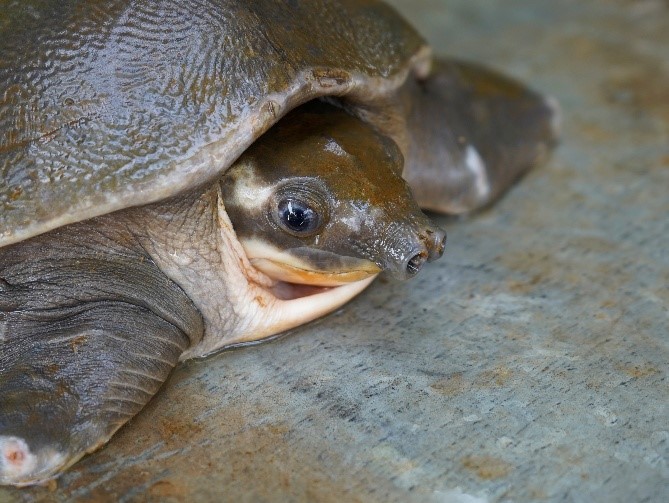
Among freshwater turtle species, the pig-nosed turtle (Carettochelys insculpta) is particularly unique, found only in Papua and parts of northern Australia. Its pig-like snout and flipper-like limbs set it apart from other turtles. However, these distinctive features have attracted not only researchers but also people who utilize it as pets, food, and trade commodities. The high level of exploitation has become one of the main factors threatening the survival of this rare species.

A Long History in Tradition

For the indigenous communities in southern Papua, the pig-nosed turtle is far from an ordinary animal. For a long time, it has been an integral part of daily life. Its meat and eggs are serve as important sources of protein, while in customary practices, it has even been used as a part of dowry in the Vriendschap River region. Traditional use is typically subsistence-based, meaning that only what is needed for household consumption is taken. As a result, its impact on wild populations has historically been relatively small.

When Market Demand Emerges
However, this situation began to change as market demand increased. Eggs and hatchlings were no longer viewed solely as food, but as valueable commodities. One story still remembered by the communities of Kao River dates back to 1997, when a foreign buyer reportedly arrived by helicopter to purchase large quantities of eggs. Since then, pig-nosed turtle eggs have come to be seen as “walking money,” symbolizing a shift from subsistence use to economic opportunity.

From Consumption to Commodity
Gradually, the role of these turtles has shifted. For many community members, eggs now hold greater economic value than as a food source. Hunters prefer to sell the eggs, while the meat of adult turtles is typically consumed locally. Searching for nests and harvesting eggs has since become the primary livelihood. By setting out early in the morning by boat, hunters can return home with a harvest of considerable value—often seen as more reliable than other occupations such as farming or fishing.

.

.

Hatchlings (Tukik) as a Key Commodity
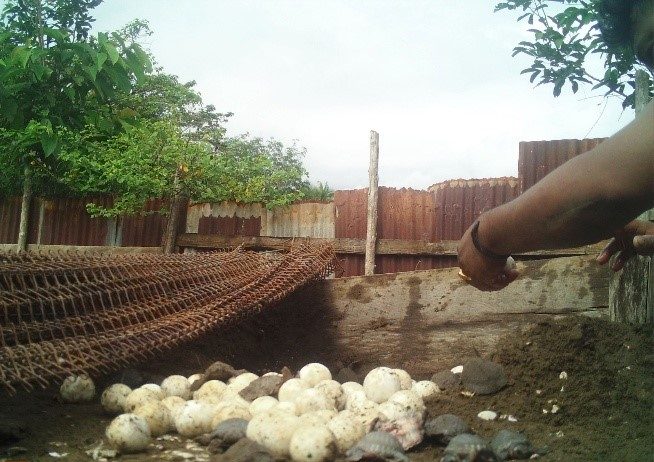
Over time, the market began to prefer hatchlings over eggs. Hatchlings are more resilient during long-distance transport, whereas eggs are easily damaged. As a result, people began incubating eggs before sale, since hatchlings could be sold at a higher price. This practice grew in popularity, further accelerating the intensive farming of pig-nosed turtles.

The Threat Behind the Benefits

For local communities, the pig-nosed turtle clearly provides economic benefits. However, excessive and continuous exploitation, combined with high dependence on natural resources and limited alternative livelihoods, is putting increasing pressure on its population. Without appropriate action, this species risks existing only in stories and memory.

The Path Toward Conservation

Pig-nosed turtles are more than just rare animals—they are the guardians of Papua’s river ecosystems. With their limited range and protected status, conservation efforts are crucial. Protecting them requires a combination of actions: safeguarding habitats from degradation, regulating use to prevent overexploitation, providing alternative sources of income for local communities, and raising awareness about the importance of this species. Without concrete actions, this unique turtles could disappear from the wild. Saving them is not just about protecting a single species, but also about maintaining the balance of the river and the life that depends on it.
When Turtles Become a Livelihood: A Portrait of Hunters in Papua

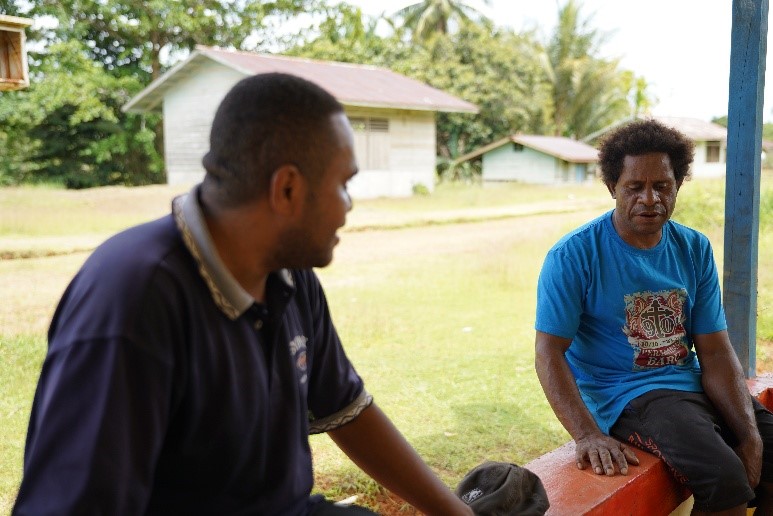
The hunting of pig-nosed turtles in Papua is not merely about endangered wildlife, but also a reflection of the socio-economic realities faced by local communities. For some hunters, hunting pig-nosed turtles has become a primary livelihood, supporting their families. When they are not hunting, they often work as fishermen, or seek other sources of income such as catching Irian turtles and arowana fish, or hunting wild boars, deer, and birds. These activities demonstrate that hunting is not simply a choice, but rather a means of survival in the face of limited economic opportunities.

Local Hunters, Outsider Middlemen

The hunting of pig-nosed turtles in Papua involves two key figures: local hunters and middlemen. For hunters, this activity is not a hobby, but a primary source of income—especially during the nesting season, which is their busiest time. Meanwhile, the middlemen typically have other main occupations, such as farming or trading, but get involved because of the significant economic opportunities in the trade of eggs and hatchlings.

Interestingly, many middlemen come from outside Papua. Some originate from Makassar, while others are of Javanese-Chinese descent who have long settled in Asiki. One hunter even shared that he learned egg incubation techniques from a “Javanese man” who was also known as a buyer during the period following the presence of foreign traders in the late 1990s. Through these middlemen, hatchlings are transported to Merauke, before being distributed to broader markets.

A Surprising Profile

Interview findings challenge common assumptions about wildlife hunters. Most pig-nosed turtle hunters are between 34 and 55 years old and have relatively high levels of education. Many are high school graduates, and some have even served as village officials and hold bachelor’s degrees. This id notable, as hunting is often associated with low levels of education. In reality, these hunters are literate and communicate fluently in Indonesian—indicating that their choice to hunt is driven more by economic necessity than by a lack of knowledge.

Seasonal Hunting as a Livelihood

Many hunters previously pursued education outside their villages, particularly in Mindiptana District. However, the lack of job opportunities have led them to return home without a steady income. In this context, harvesting pig-nosed turtles becomes an attractive option, especially since harvesting rights are restricted to customary landowners. For these communities, the activity is not merely subsistence-based, but a fairly promising seasonal income opportunity.

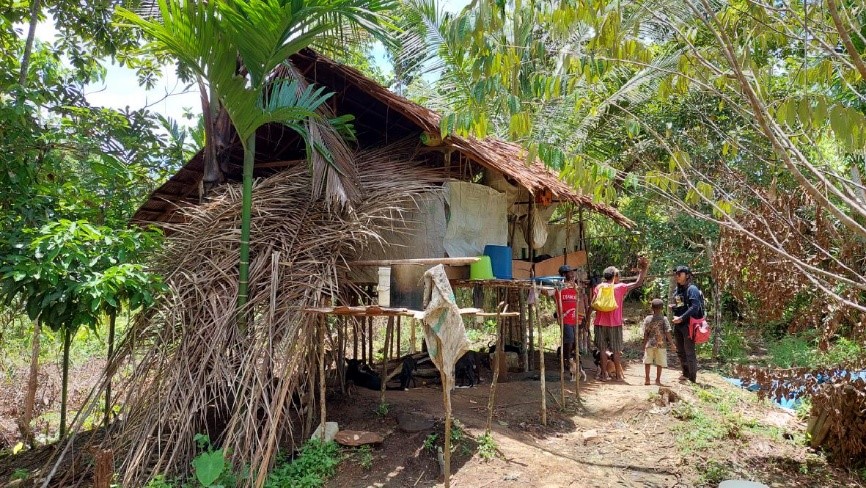
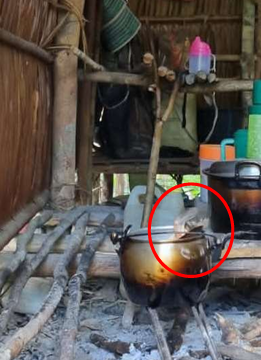
Hunting is usually carried out in groups of two to three people, led by a leader who is often more educated. They stay for months in simple huts near the hunting sites to reduce fuel costs. These wooden shelters, roofed with coconut leaves, serve as temporary bases and are equipped with egg incubation pit nearby. From there, eggs are hatched into hatchlings and then sold to middlemen demonstrating that this activity is managed in a structured and business-like manner.

A Persistant Dilemma

Interestingly, some hunters are aware that pig-nosed turtles are a protected species. As a result, they avoid transporting eggs or hatchlings out of Asiki to reduce the risk of legal consequences. There are also middlemen who hope to become licensed dealers under the supervision of the Natural Resources Conservation Agency (BKSDA), so that the trade can proceed more safely while maintaining stable prices.

The story of these hunters reflects a classic dilemma. On one hand, turtle eggs and hatchlings provide significant income for local communities. On the other hand, these practices threaten the survival of a species with a very limited distribution. However, if managed wisely, the hunters’ knowledge and skills could become valuable assets in supporting future conservation efforts.

Tracing Pig-Nosed Turtle Egg Harvesting Practices

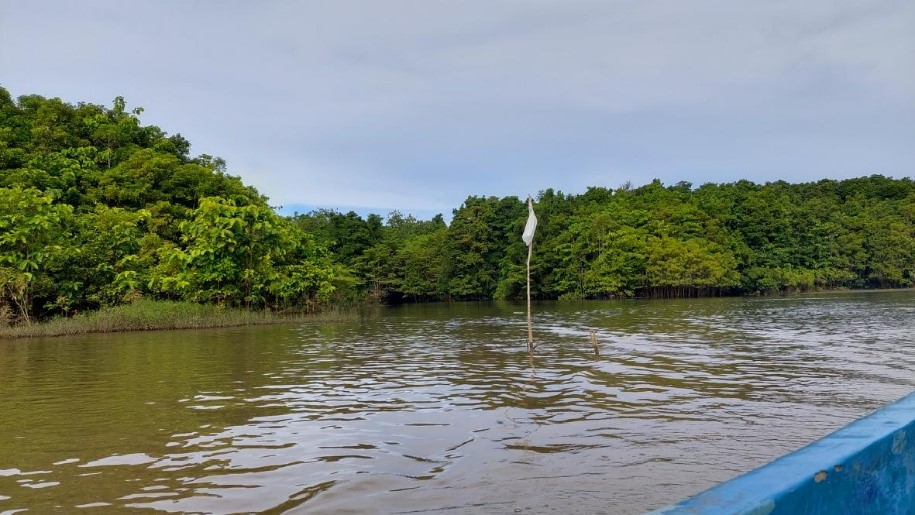
Every dry season, the Kao River offers a unique seasonal routine for local residents.  As the water recedes, sandbars emerge along the riverbanks, becoming a favorite nesting site for pig-nosed turtles (Carettochelys insculpta). This is what the community refers to as “harvest season.” For them, these nests in the sand are not merely part of the natural cycle, but an important source of income with high economic value.

Resources and Skills Behind Harvesting

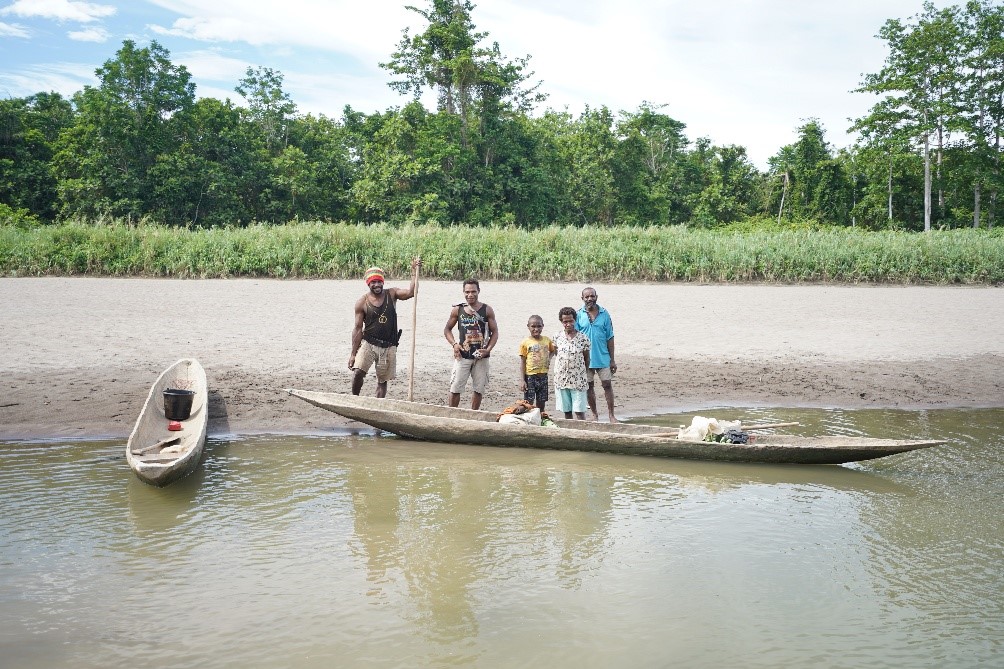
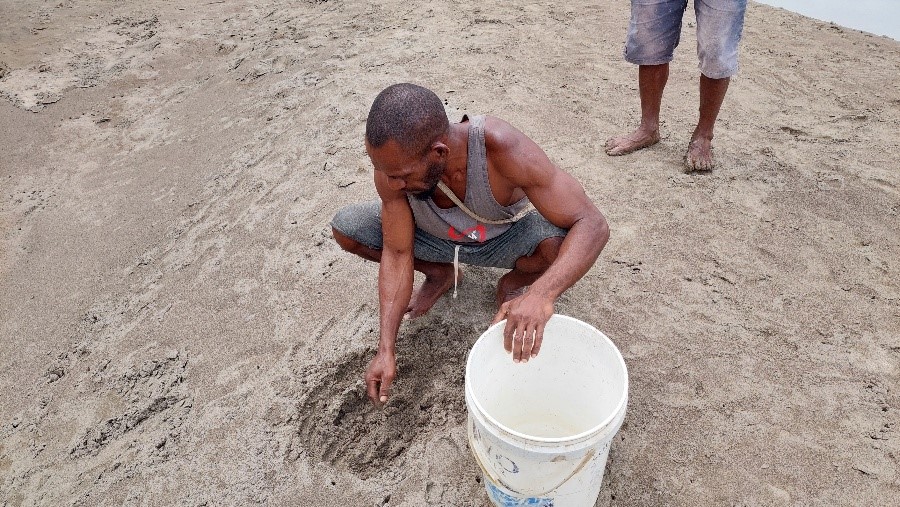
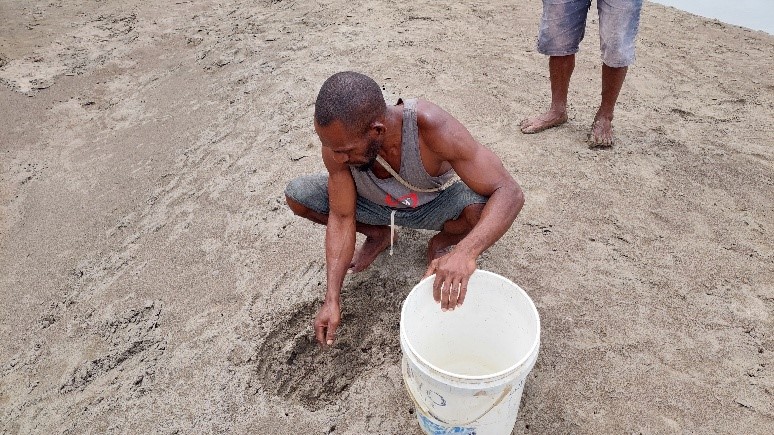
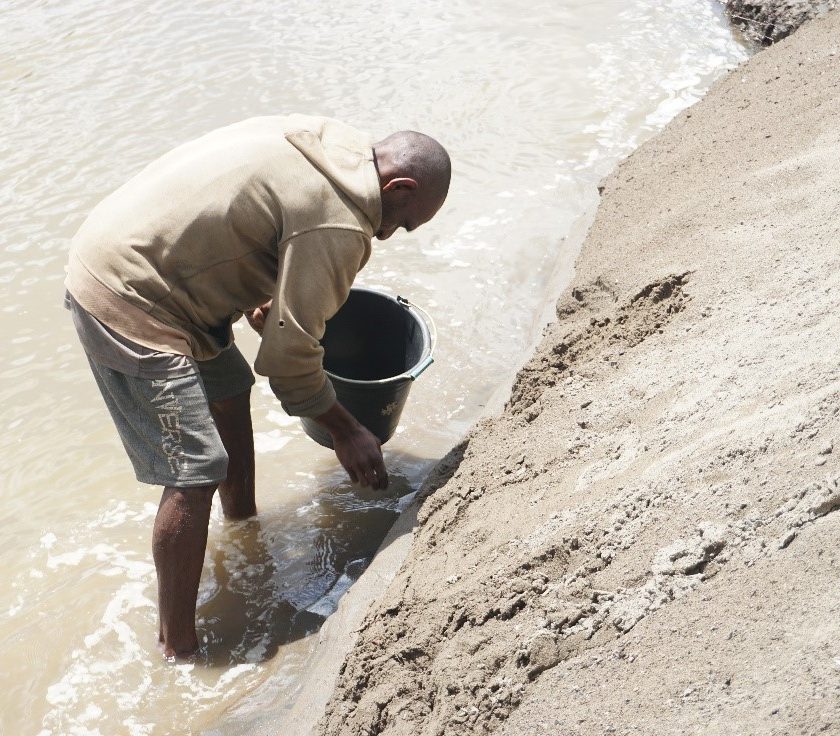
Harvesting pig-nosed turtle eggs turns out to be more than just digging in the sand. This activity requires a significant investment—especially for boat fuel—as well as skills passed down from generation to generation. Typically, the hunters set out early in the morning, walking along the riverbanks while carrying iron or wooden poles with specially shaped tips for probing the sand. With this simple tool, they can locate nests that are neatly hidden beneath the surface.

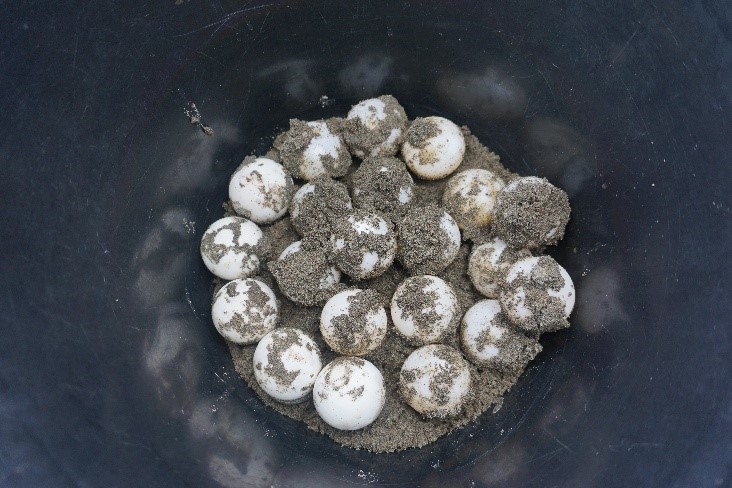
Nests that are found can be dug up immediately or marked with a small stick. If there are many nests, they are marked so they can be collected later. The collected eggs are usually placed in a bucket, with sand at the bottom and on top to protect them and keep them safe during transport. This technique is simple but effective in keeping the eggs intact until they reach the camp or the middlemen.

Harvest Season on the Sandbars

The pig-nosed turtle nesting season runs from August to December, peaking in September. During this period, hunters typically stay at the nesting sites for months at a time. They build simple huts out of wood and coconut leaves as temporary shelters, complete with hatching tanks that serve as temporary incubation areas for the eggs before they are sold.

Every morning, the sandbars are combed again in search of new nests. Unfortunately, harvesting is carried out indiscriminately. Eggs are taken from healthy nests, those flooded by the river, and even those already damaged by predators. As a result, almost no natural nests remain along the riverbank. The harvesting rate has reached 100 percent—a very high figure and certainly alarming for the conservation of this species.

Between Tradition and Threat

Behind the practice of egg harvesting, customary rules continue to play a vital role. People may only collect eggs within their traditional territory with explicit permission, and the harvest is distributed according to traditional customs. Violators—such as those who steal eggs outside the designated area—face customary penalties. This system serves as a means for the community to safeguard their rights to manage their natural resources.

Even so, the high intensity of harvesting still poses a dilemma. It’s not just the eggs that are taken home; occasionally, the female turtles are caught as well. This usually happens in the early morning, when the females are still exhausted after laying eggs, or in the afternoon when they emerge onto the sandy shore. The captured females are not sold, but rather cooked together at the camp to sustain the hunters who spend weeks away from home.

The Middle Ground: Economy and Conservation

If all the eggs were collected every season, almost no new generation of pig-nosed turtles would survive in the wild. Combined with the capture of female adults, the population is clearly at risk of a drastic decline. From an ecological perspective, this is a warning sign: without regeneration, this unique species could slowly disappear from its natural habitat.

This is a classic dilemma: the economic needs of the community clash directly with conservation challenges. For local residents, turtle eggs are an important source of income—and for some, even their primary livelihood. But on the other hand, overharvesting clearly threatens the species’ survival.

The solution isn’t simply to ban the practice, but to find a middle ground. Educating people about the importance of leaving some nests intact, stopping the capture of female turtles, and creating alternative sources of income could be key steps. If managed wisely, the knowledge and skills of hunters can actually become a major asset in supporting conservation. In this way, a balance between the community’s economy and environmental sustainability can be maintained.

Papua Conservation

Asiki, Jair,
Boven Digoel Regency,
Papua 99661


T: 021-396-7102
E: mail@papuaconservation.com