
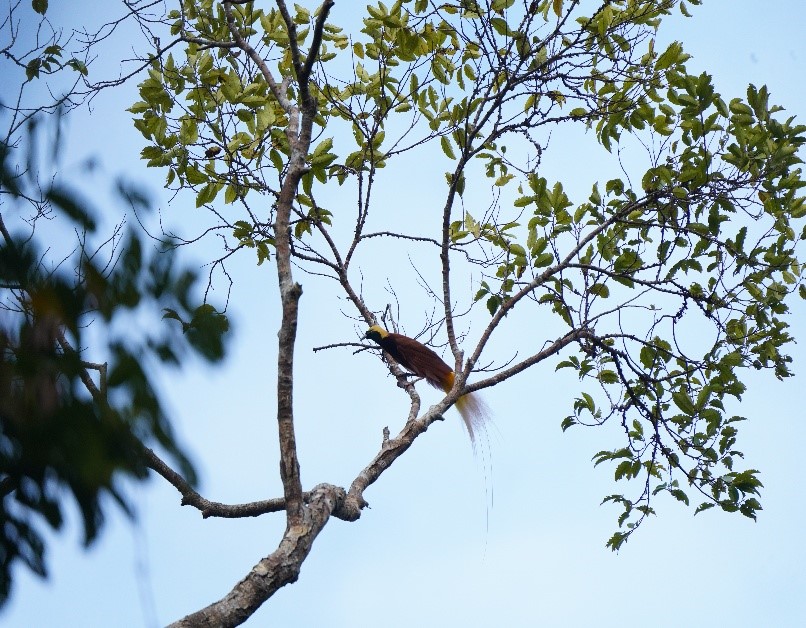
The observed birds of paradise perched on tree branches
The Greater Bird-of-Paradise is well known for its beautiful plumage and mesmerizing mating dance. However, behind this beauty lies a serious threat. For this species, beauty can become a curse. Its population is increasingly pressured by three main threats: poaching, habitation loss, and the impacts of climate change. If these challenges are not addressed immediately, this iconic bird of Papua could lose its natural habitat.
Poaching: The Threat behind the Beauty of Bird-of-Paradise
One of the greatest threats to the great golden bird-of-paradise is illegal hunting. The male’s golden feathers make it a prime target, despite the species is legally protected under Indonesian law. Unfortunately, poaching still occurs in several parts of Papua, especially during the mating season between May and August.
According to BirdLife International (2016), the Greater Bird-of-Paradise is still classified as Least Concern on the IUCN Red List. While this status may appear reassuring, populations in the wild continue to decline due to hunting pressure. This decline could have serious consequences, as male birds play an important role in lekking—a mating display that determines whether or not a new generation will be born.
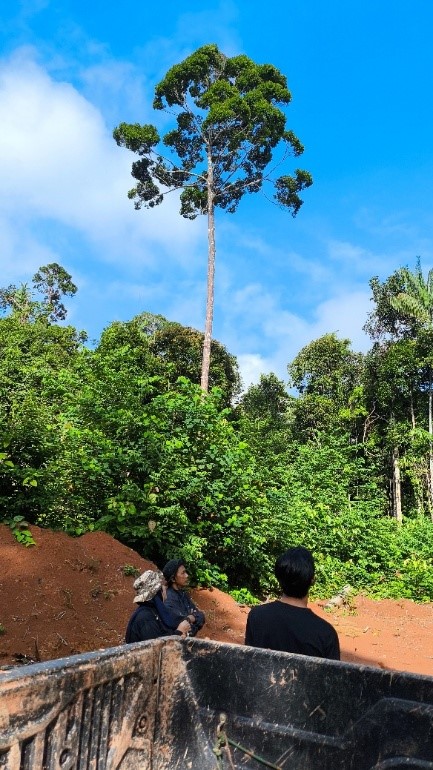
The remaining emergent trees became lekking sites
Shrinking Habitat Destroyed, a Dance under Threat
In addition to hunting, habitat loss poses another serious threat to the Greater Bird-of-Paradise. Papua’s primary forests are steadily shrinking due to development and land-use conversion. The tall trees that were once served as main stages for mating dances are now increasingly scarce, causing these birds of paradise to lose their best breeding grounds.
The consequences extend beyond disrupted mating rituals. Forest fragmentation separates populations, increasing the risk of reduced genetic diversity. Moreover, reduced forest cover means fewer food trees to support the life of these birds of paradise, further threatening its survival.
The Silent Threat of Climate Change
Climate change presents a less visible but equally significant threat. Shifts in the rainy and dry seasons have disrupted their mating schedule. As a result, the breeding season often no longer coincides with the abundance of food, making it difficult for chicks to find food.
Rising temperatures, unpredictable rainfall, and more frequent storms alter are also reshaping Papua’s forests ecosystems. If this continues, the birds may lose not only their dancing grounds, but also their long-term future in the wild.
Collective Action for Forests and Birds-of-Paradise
Protecting the Greater Bird-of-Paradise requires more than regulations on paper. The key lies in the involvement of many parties—from local communities to forest managers. Conservation education, bird-based ecotourism initiatives, and continues field research to monitor populations must all work together. Preserving the trees where these birds perform their courtship dances means safeguarding Papua’s forests and the life within them. As long as the birds-of-paradise continue to dance among the treetops, the balance of nature remains intact.
